Modular, Boulder and Retaining Walls
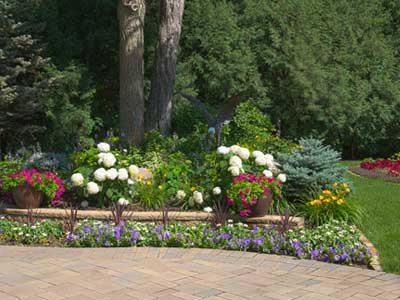
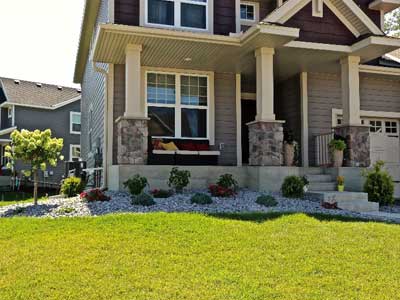
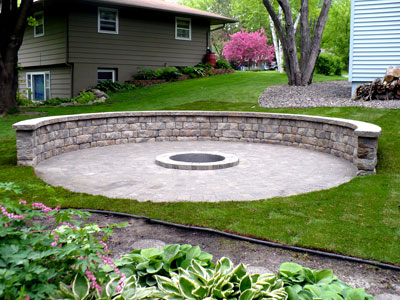
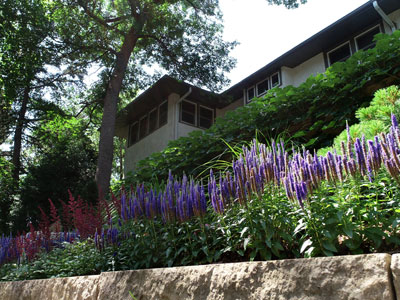
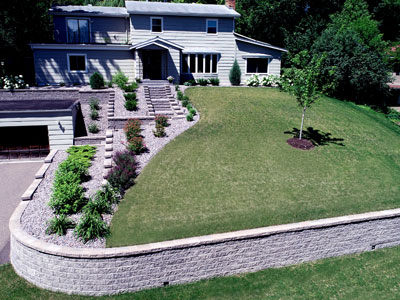
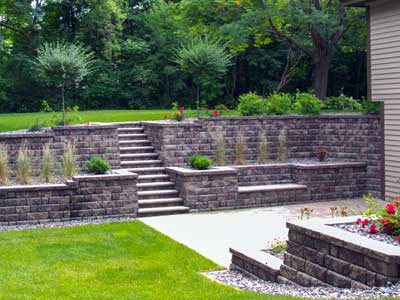
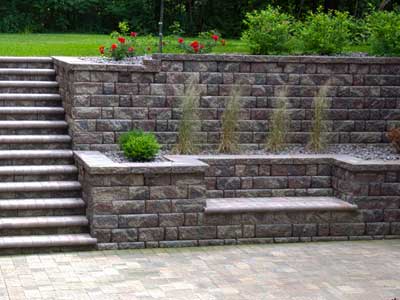
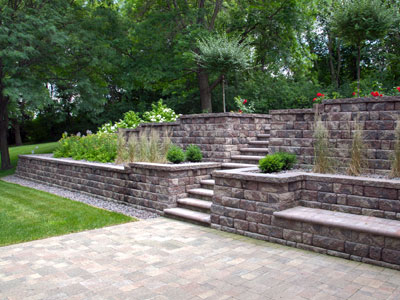
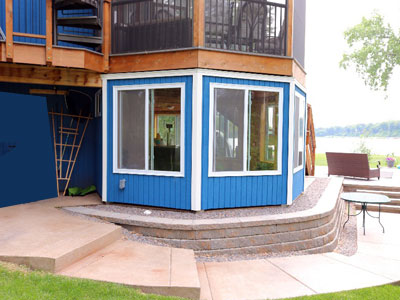
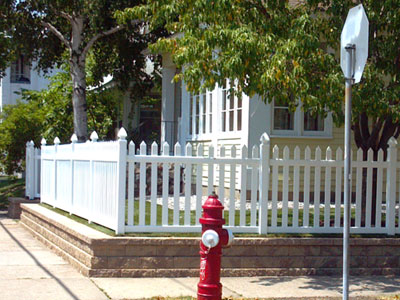
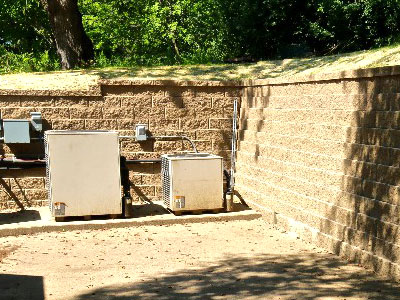
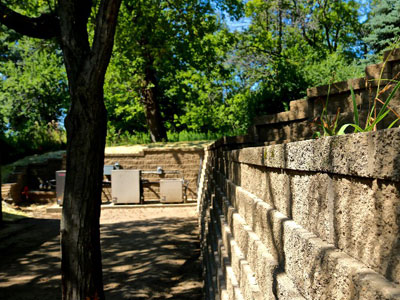
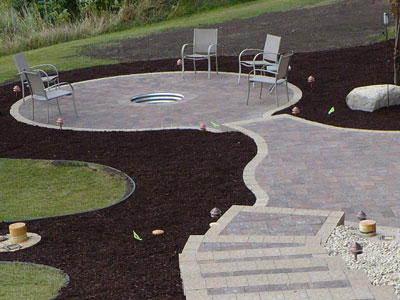
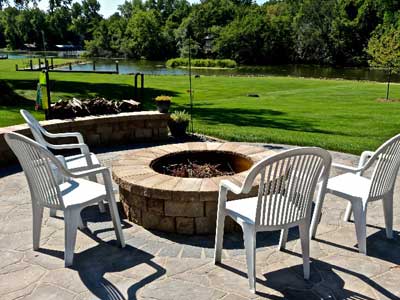
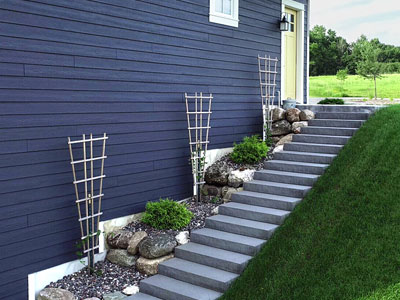
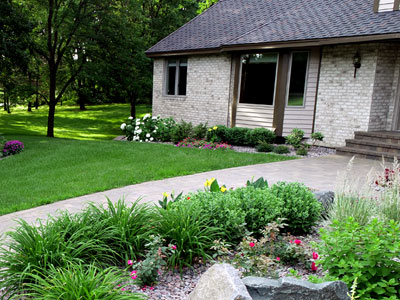
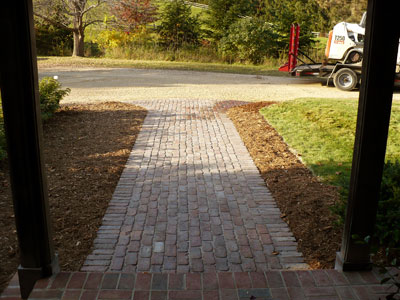
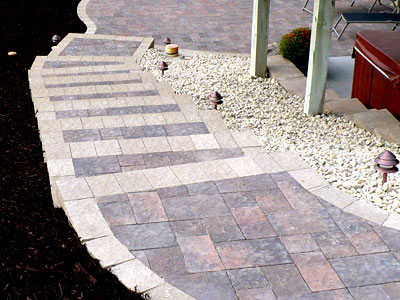
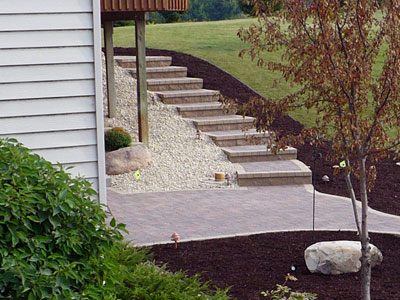
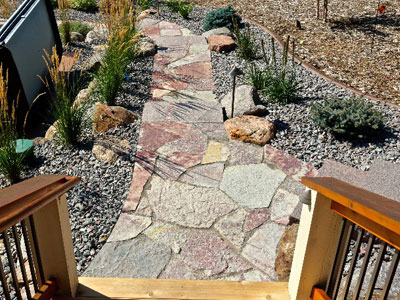
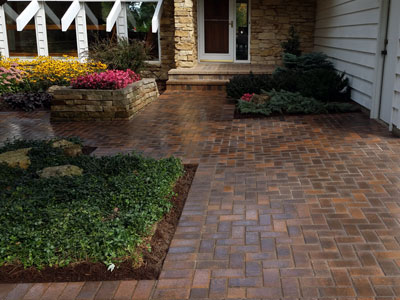
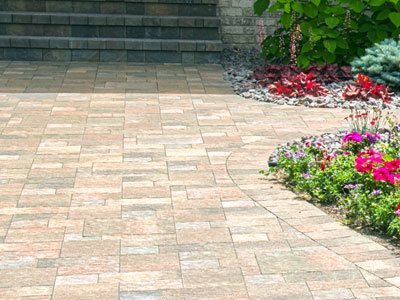
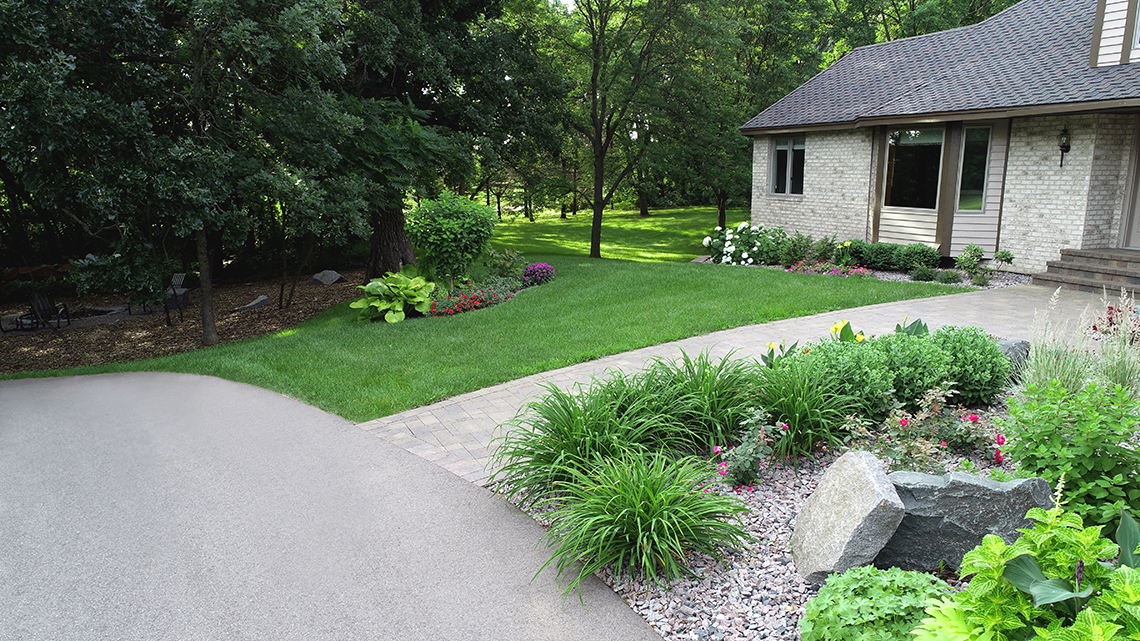
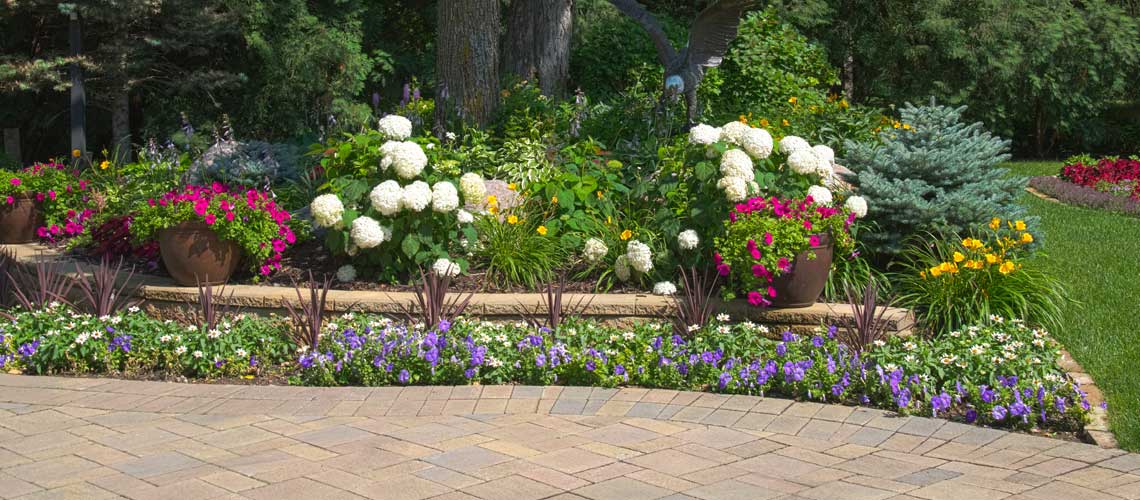
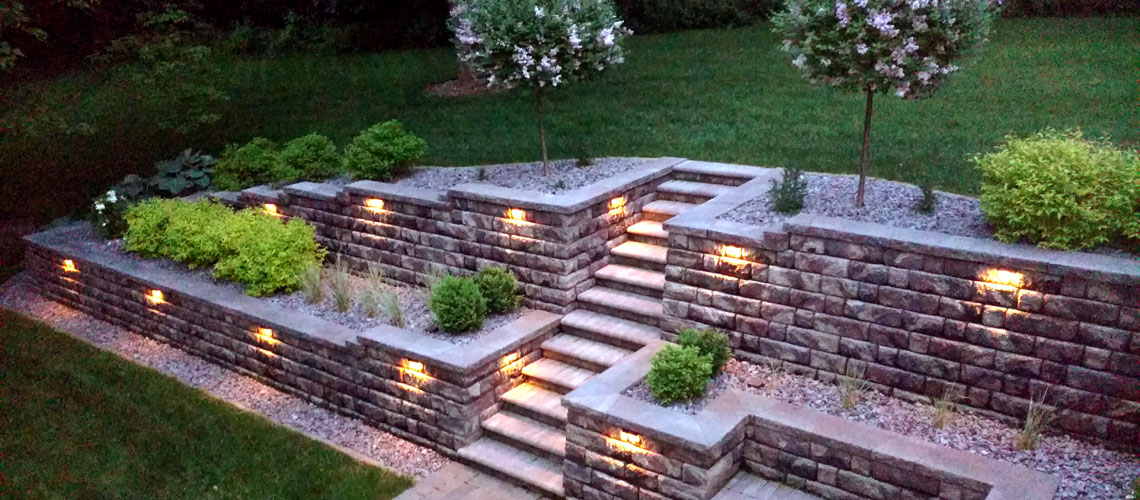
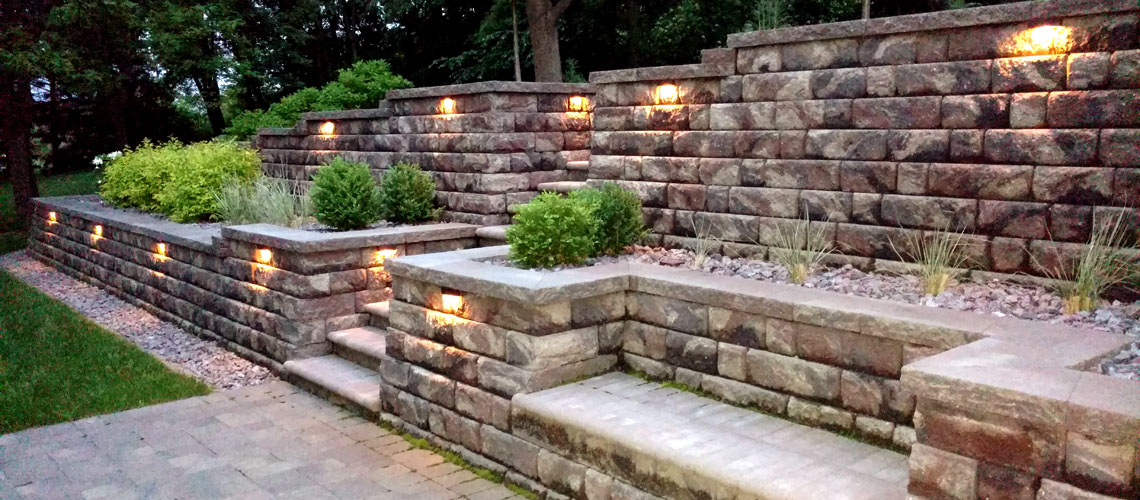
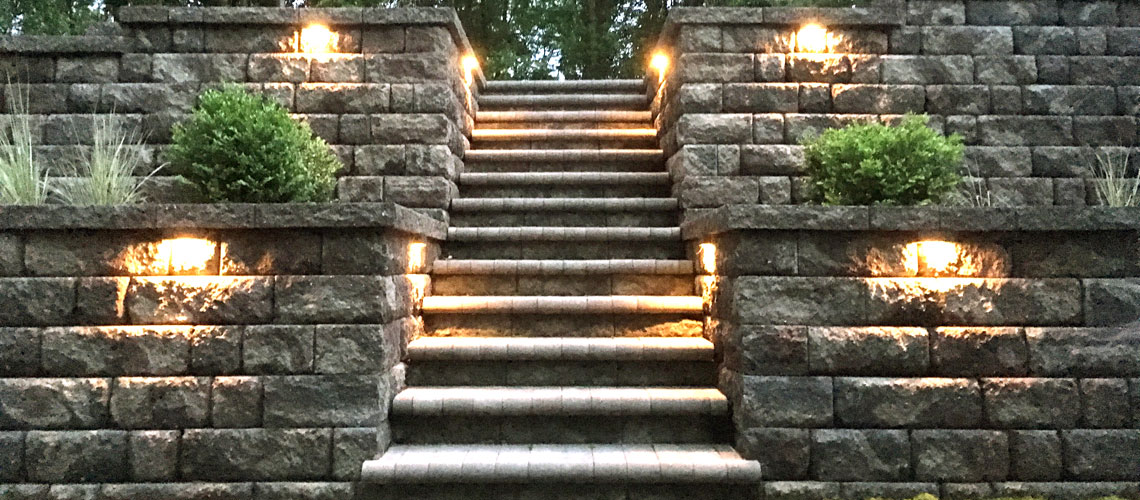
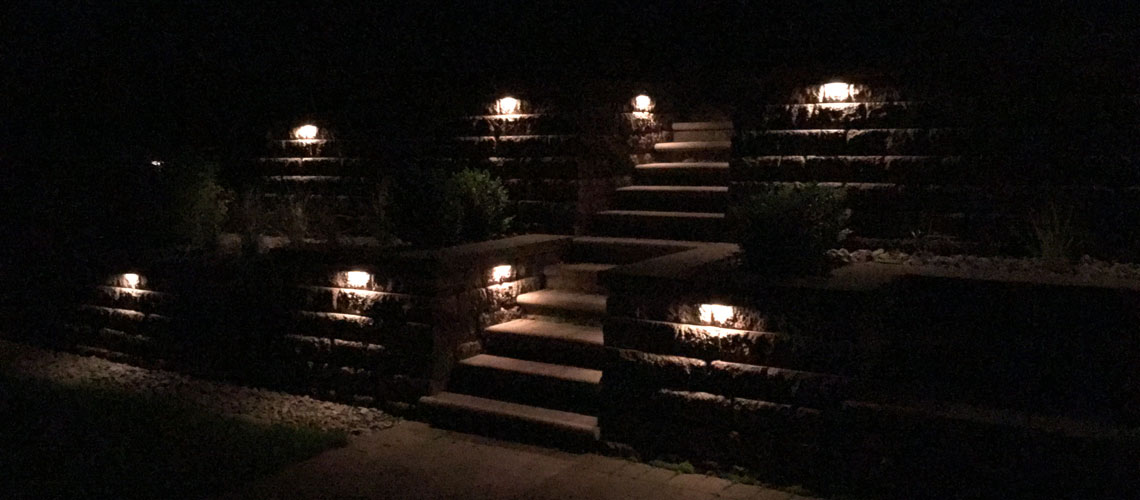
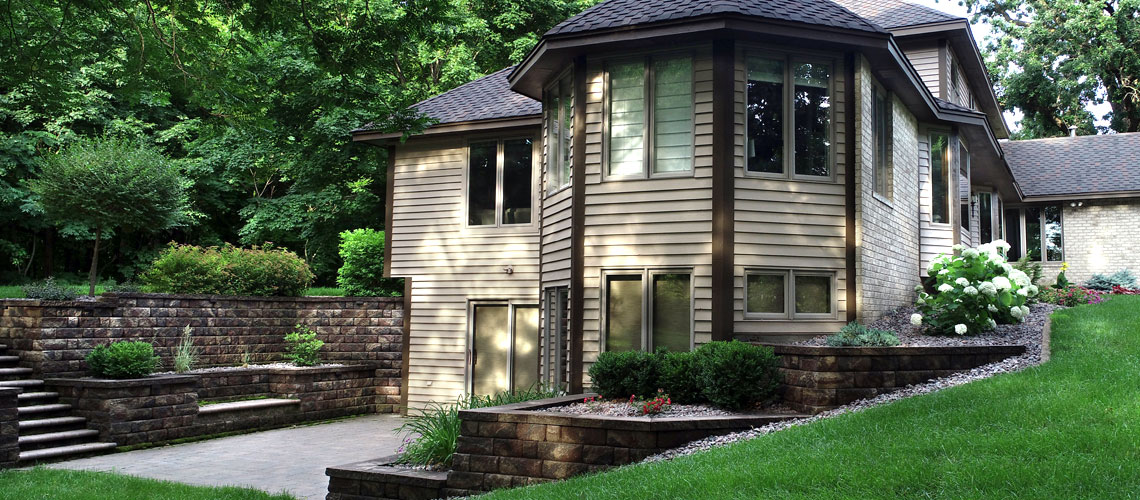
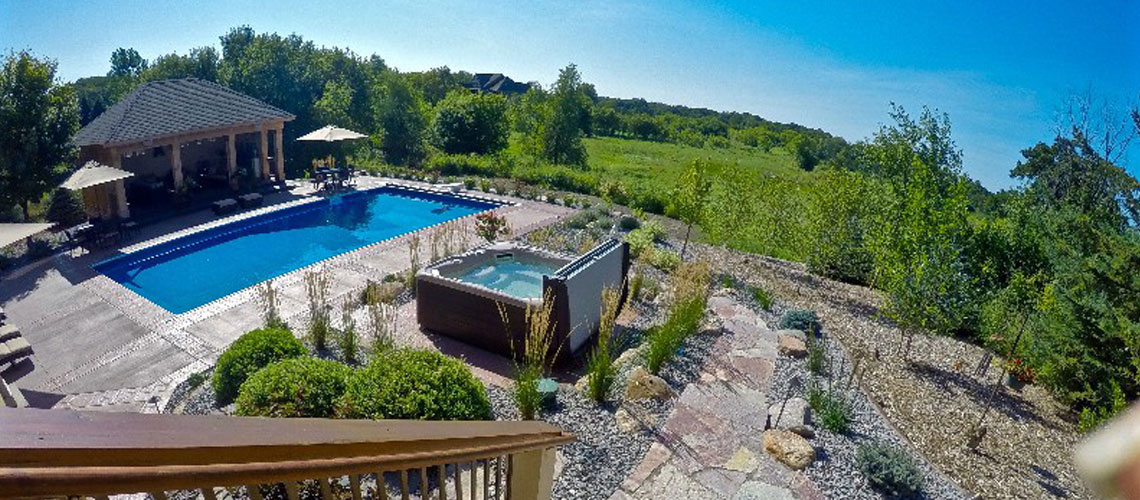
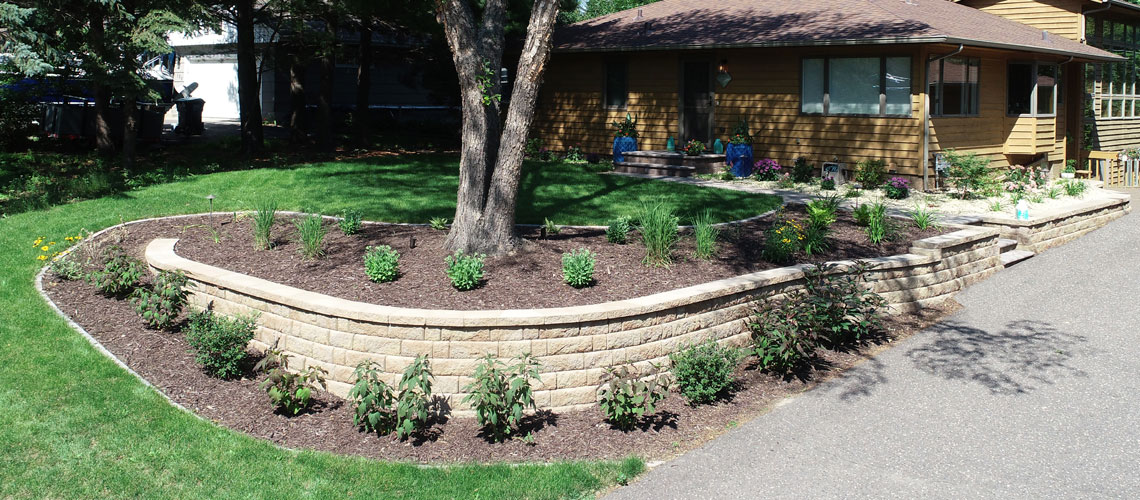
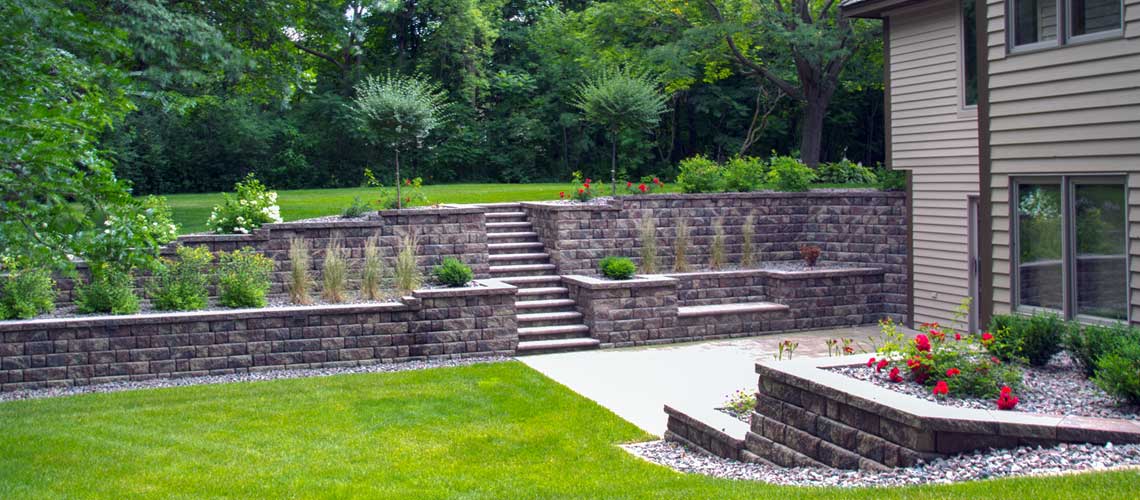
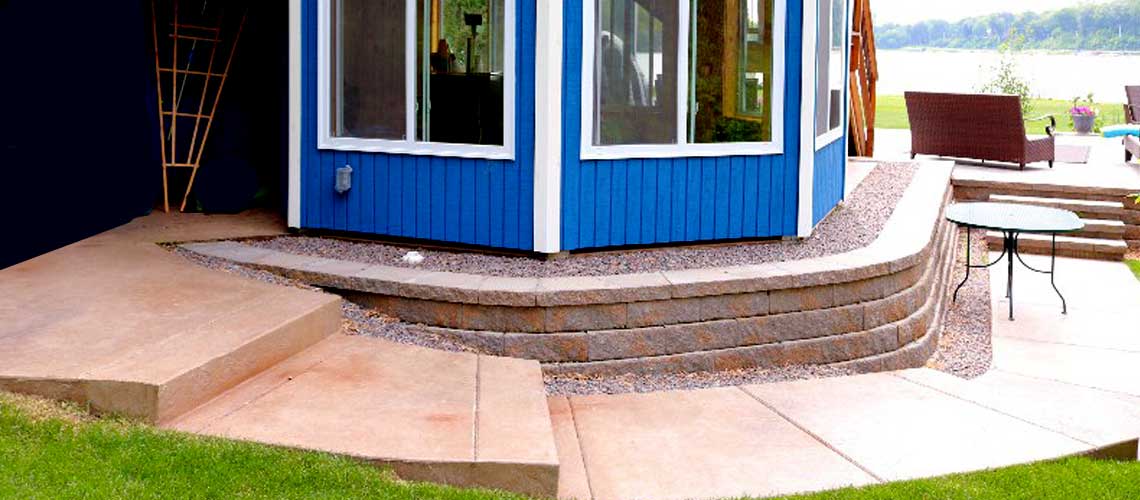
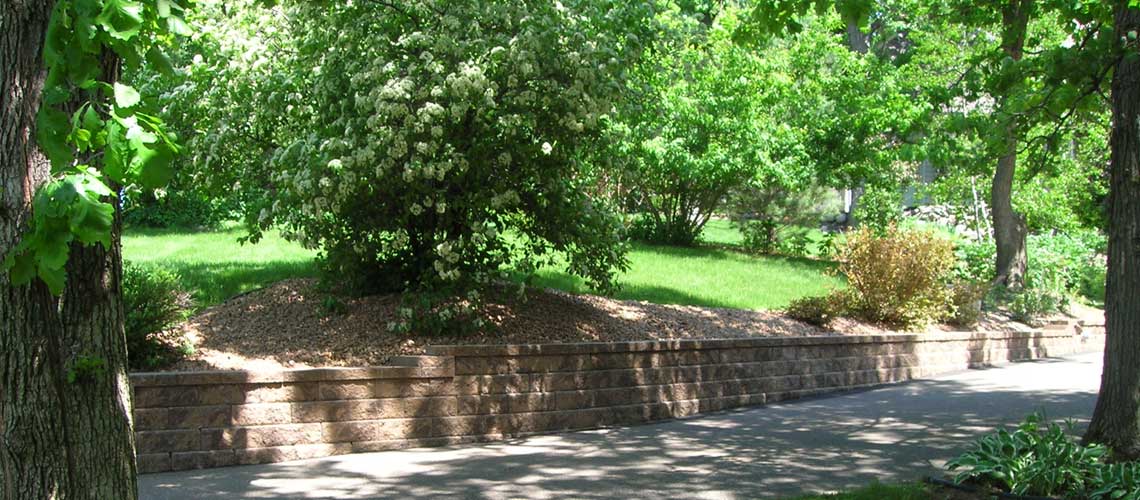
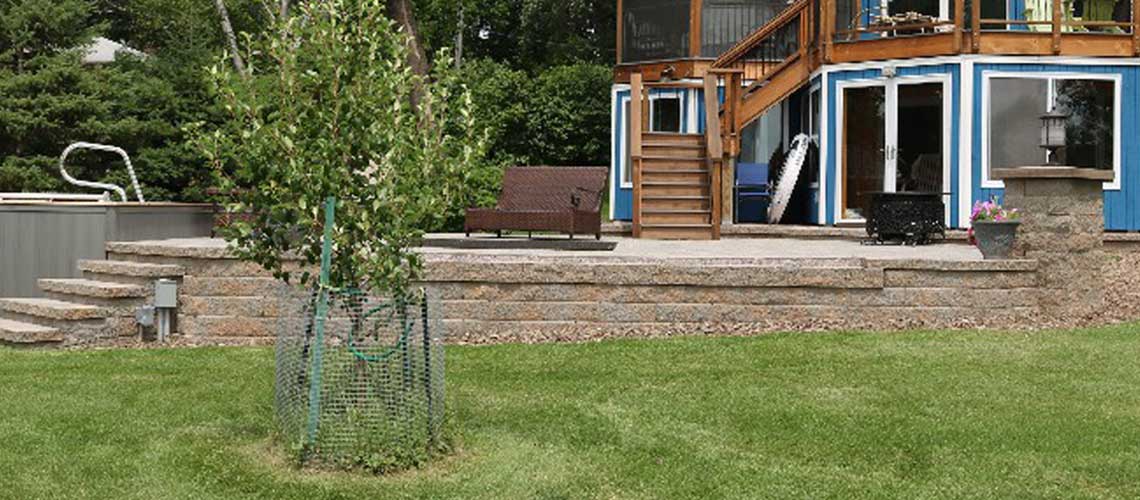
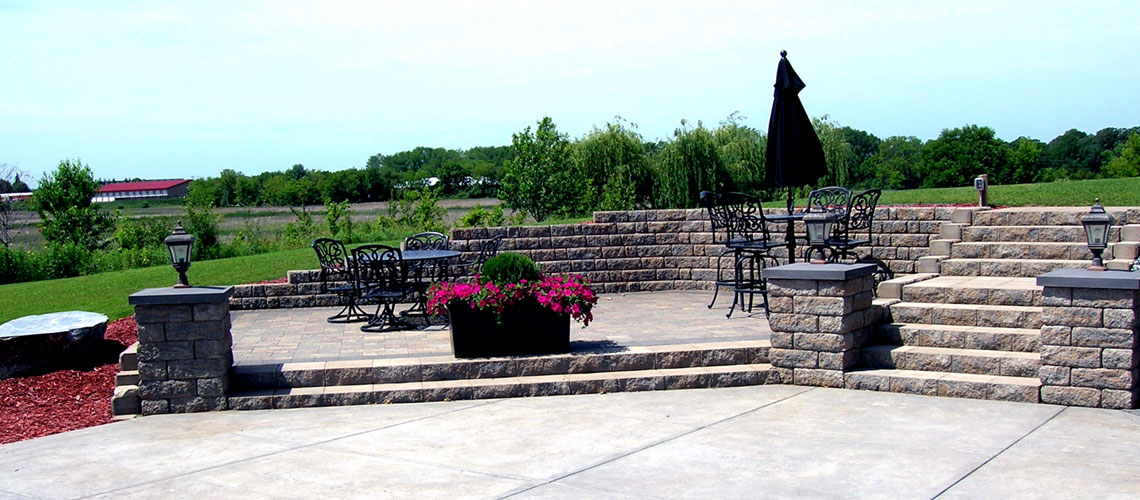
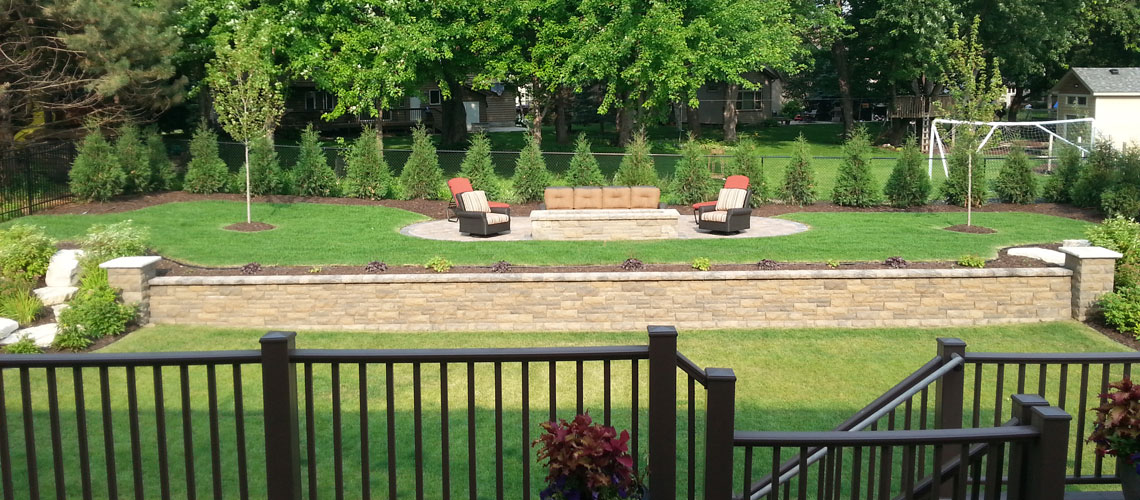
Retaining walls stabilize a slope and protect planted areas from erosion, but they can be used to do much more. Retaining Walls can create pathways, group plants and gardens, add depth and texture to completely change the shape and feel of an environment, even create outdoor "rooms." Our architects can help you use walls to create aesthetic themes and spaces. At Maple Crest Landscape, you can choose from many types of retaining walls, including poured concrete, conventional stacked blocks, and stackable decorative blocks that need no mortar. Another design option is manufactured blocks and glass with concrete façade elements, now available in a growing array of colors and textures made to resemble just about anything, from wood to stacked slate.
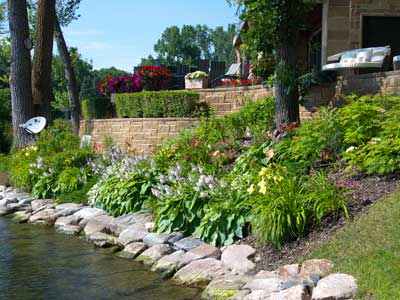
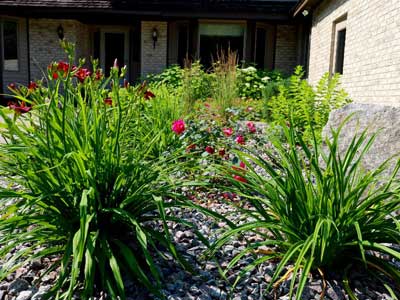
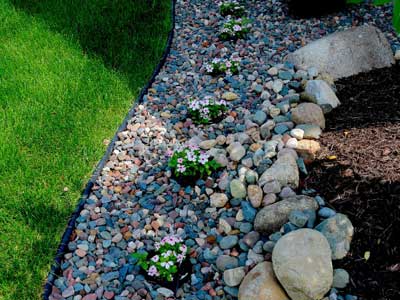
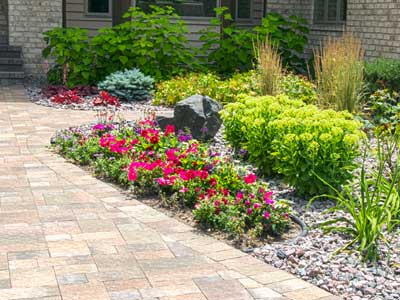
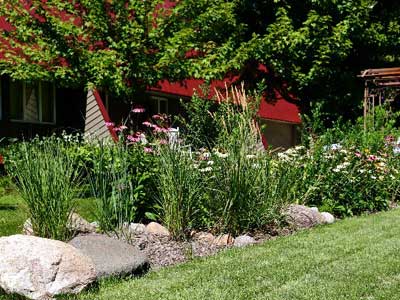
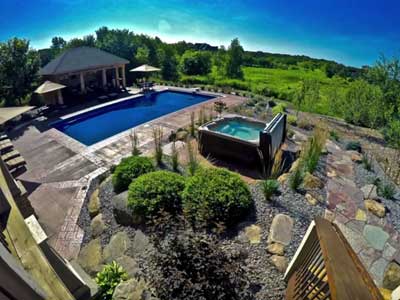
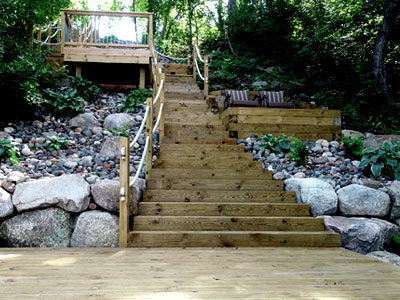
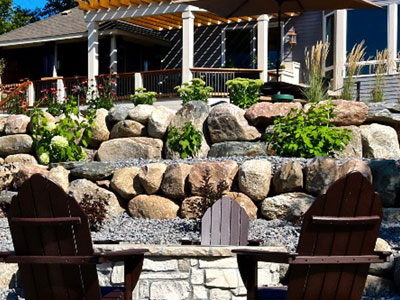
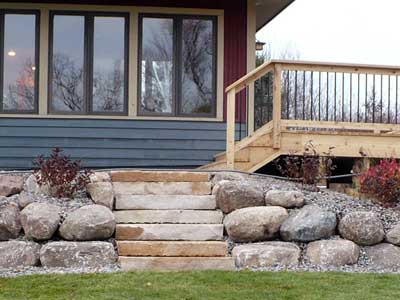
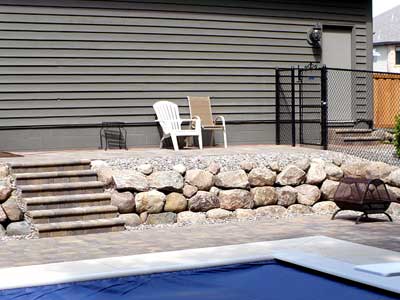
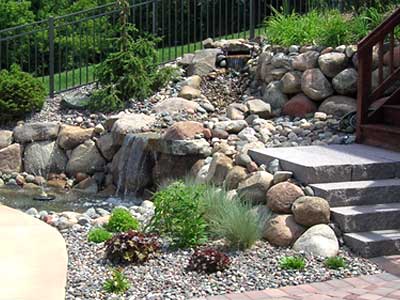
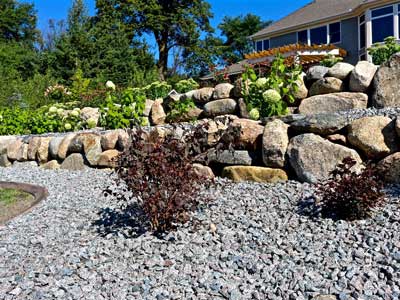
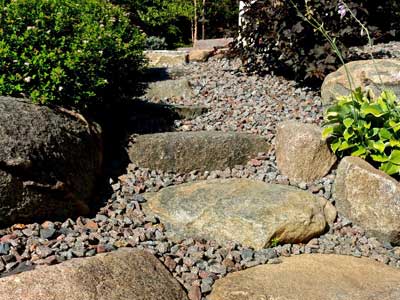
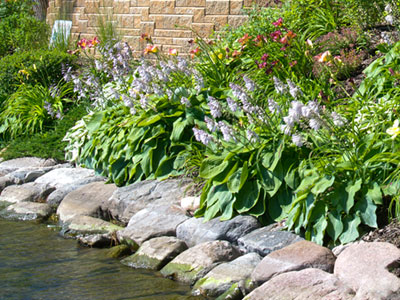
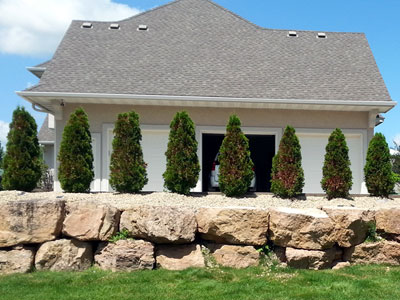
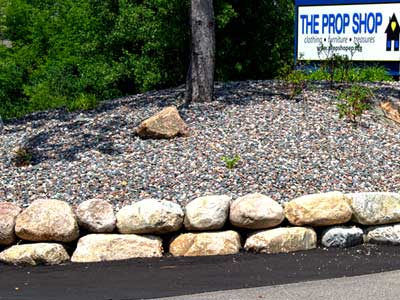
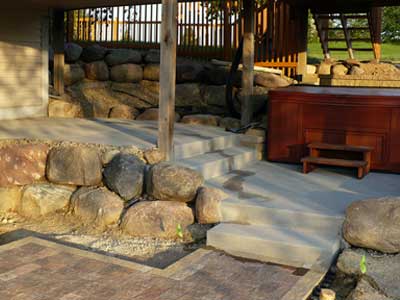
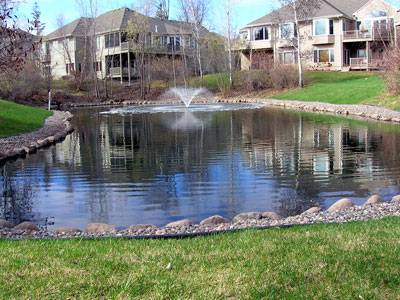
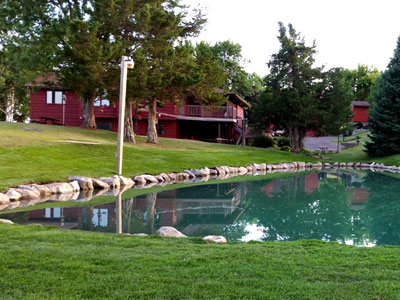
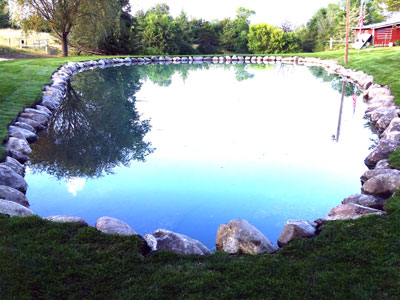
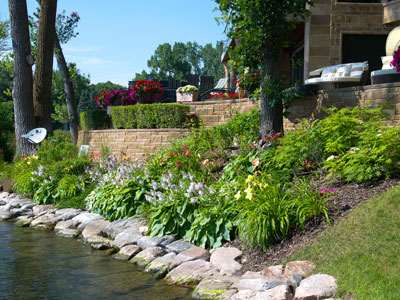
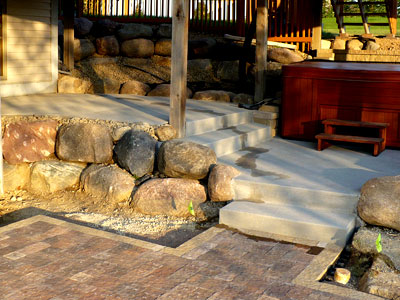
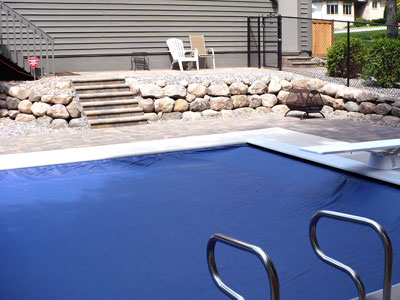
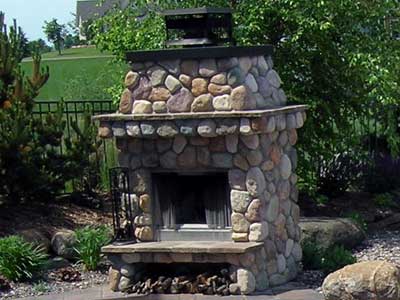
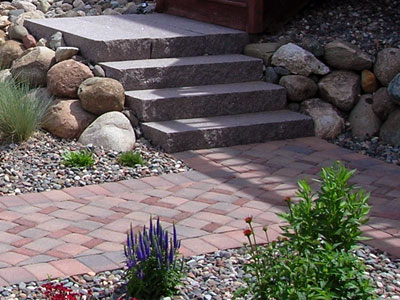
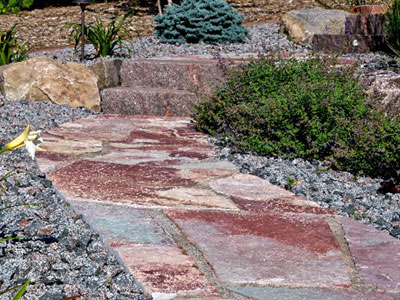
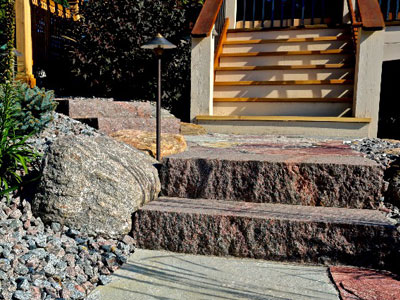
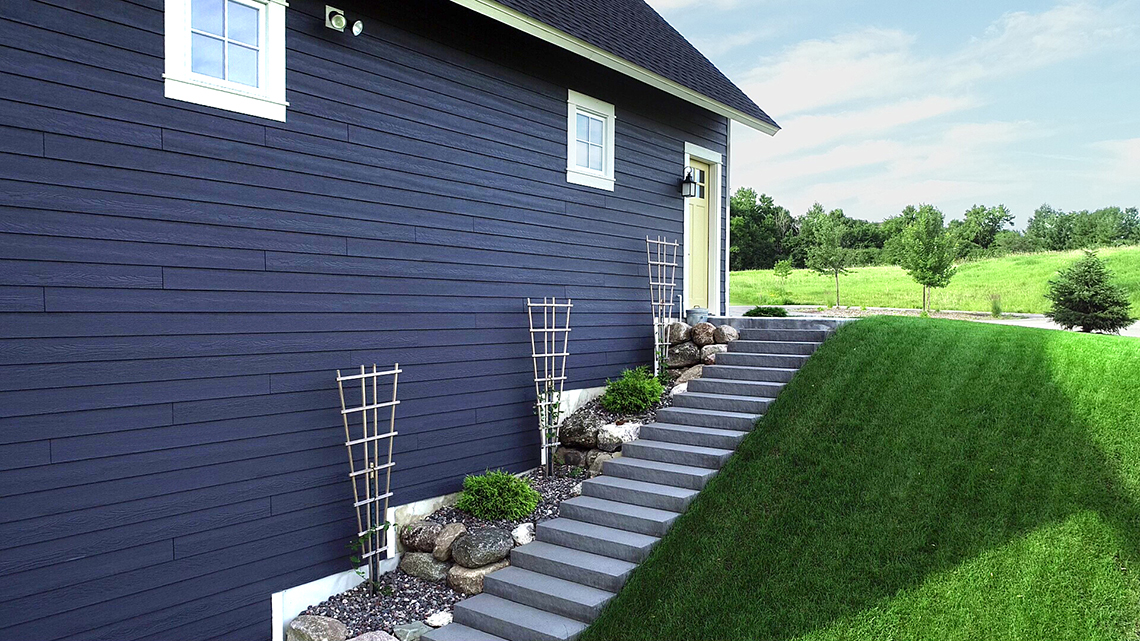
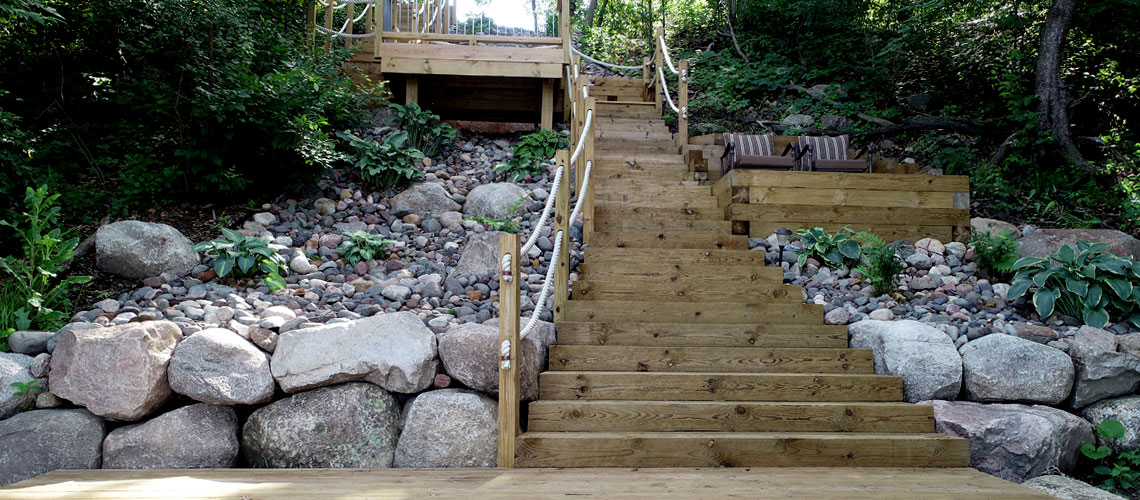
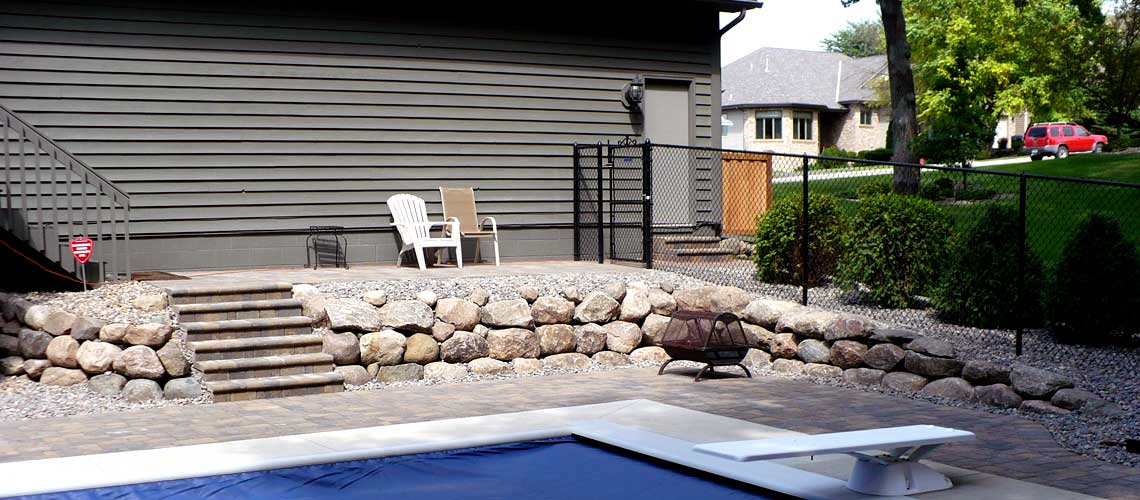
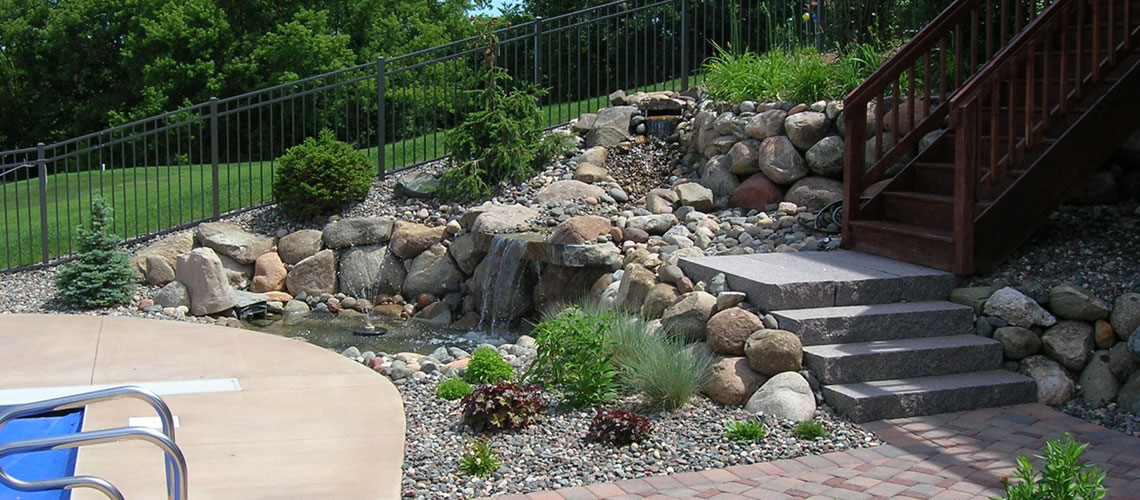
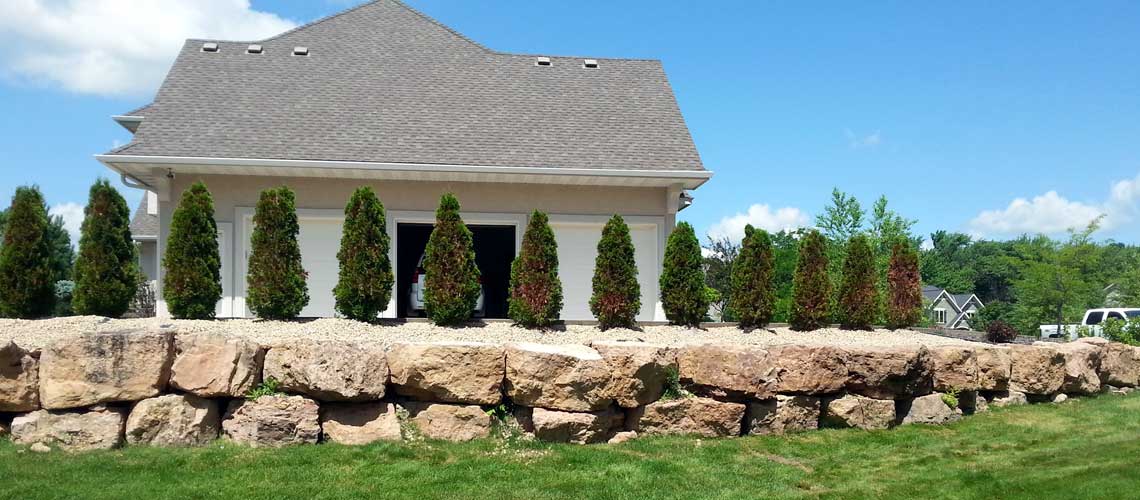
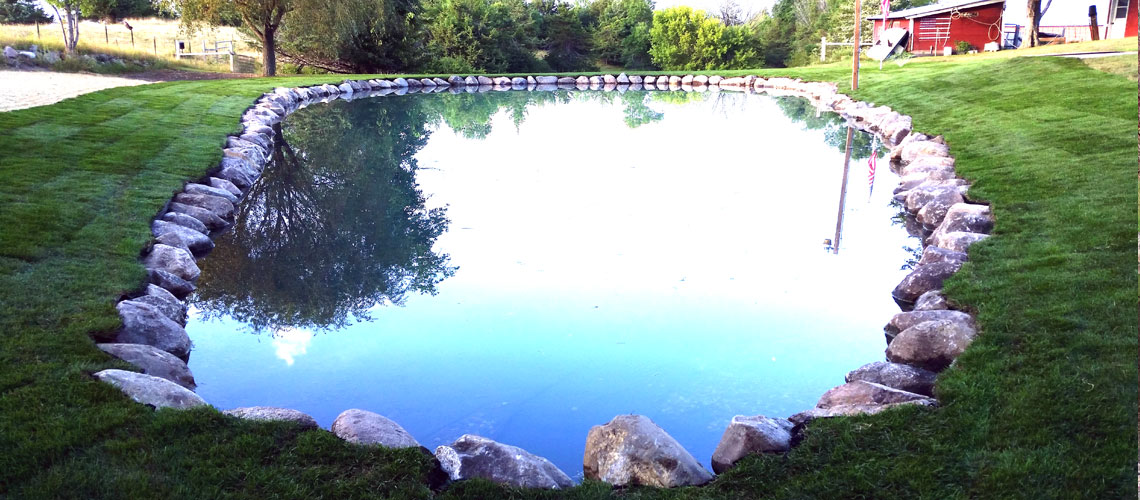
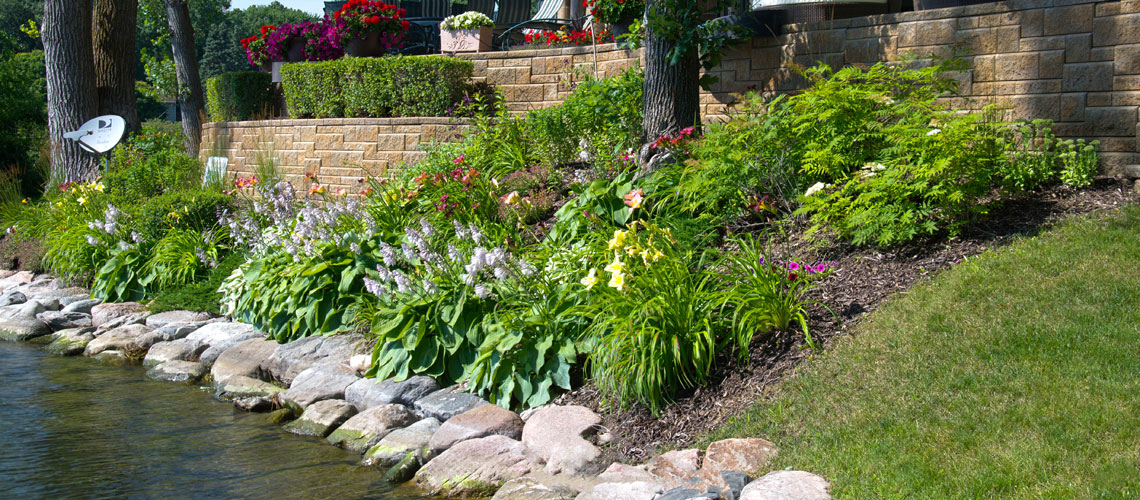
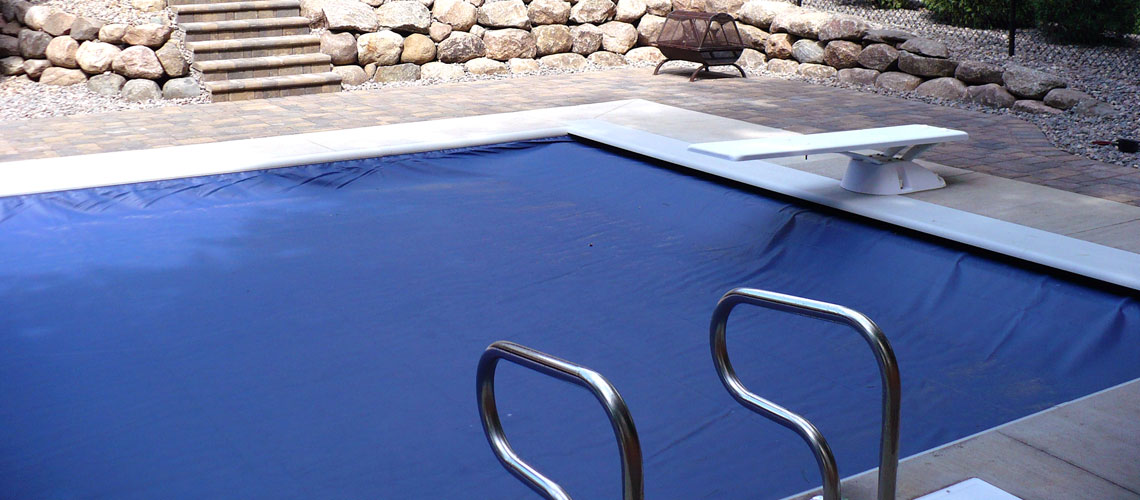
Boulder Walls: Boulder walls look natural in any landscape for homes and businesses. Made from field stone or natural materials, these durable walls protect your soil from erosion while complimenting your landscape. The landscape of a boulder retaining wall provides natural beauty and a preserving protection against soil erosion. Boulders and large rocks are the best choice against environmental factors. Boulder walls are more economic than block retaining wall
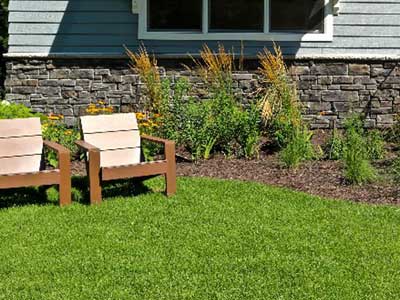
Stone Walls: Boulder walls look natural in any landscape for homes and businesses. Made from field stone or natural materials, these durable walls protect your soil from erosion while complimenting your landscape. The landscape of a boulder retaining wall provides natural beauty and a preserving protection against soil erosion. Boulders and large rocks are the best choice against environmental factors. Boulder walls are more economic than block retaining wall
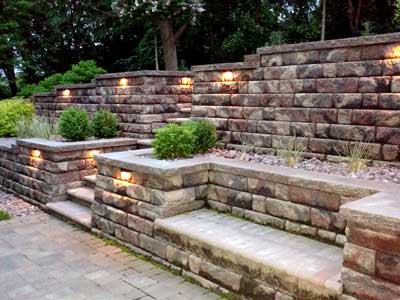
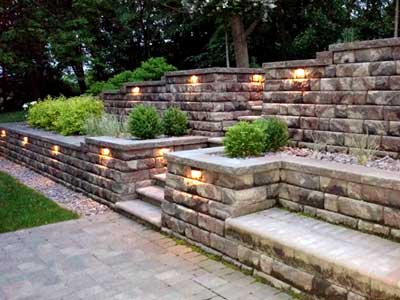
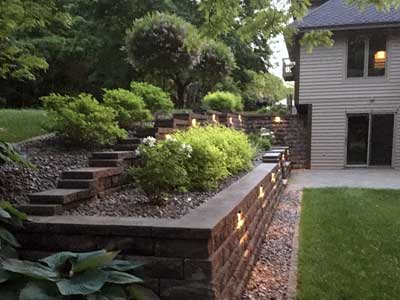
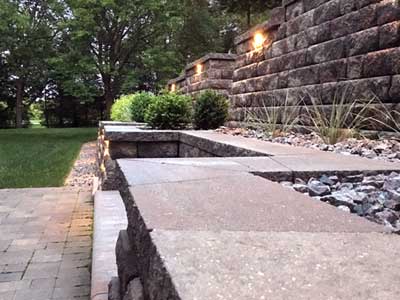
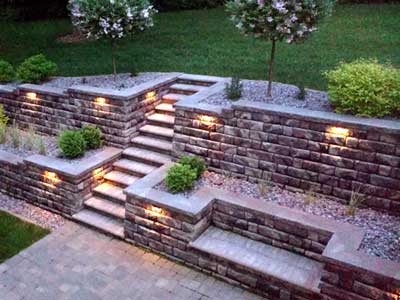
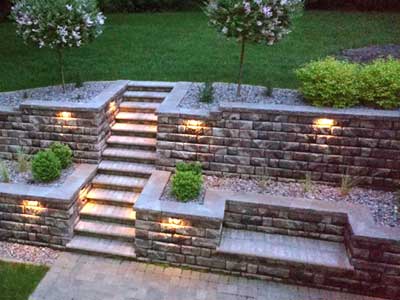
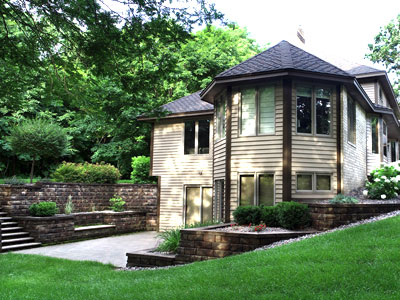
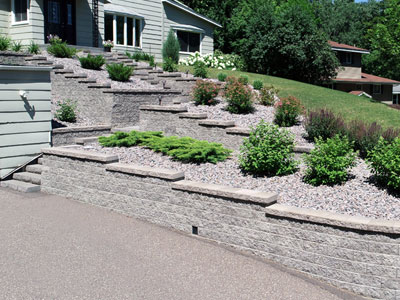
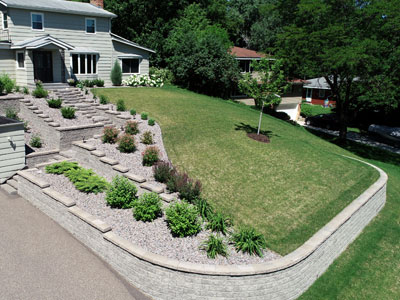
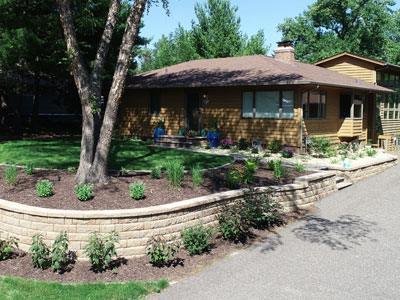
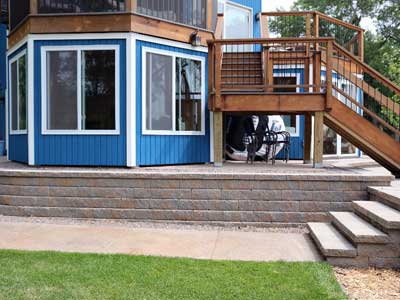
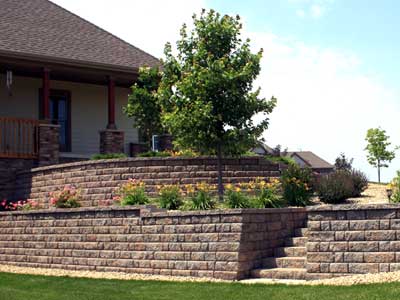
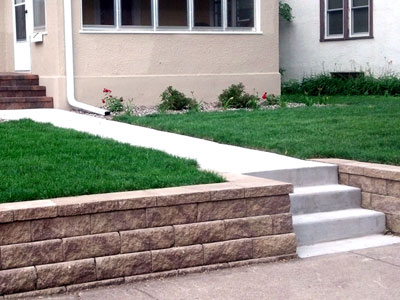
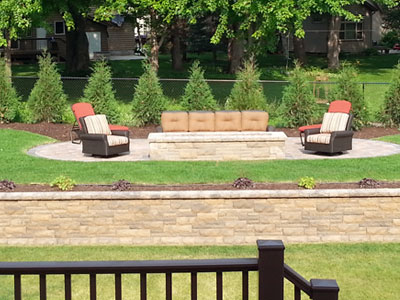
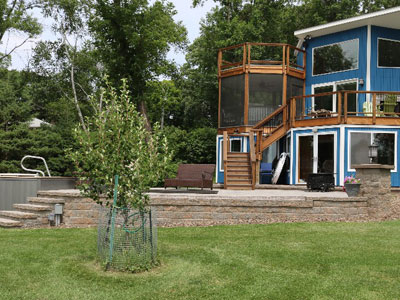
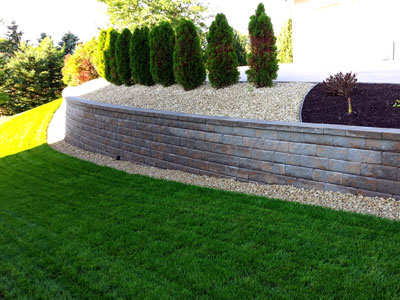
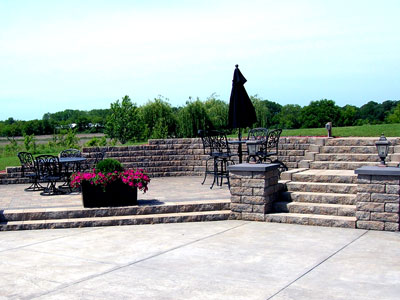
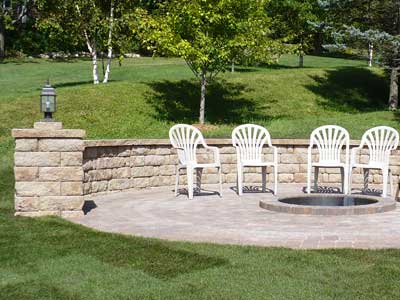
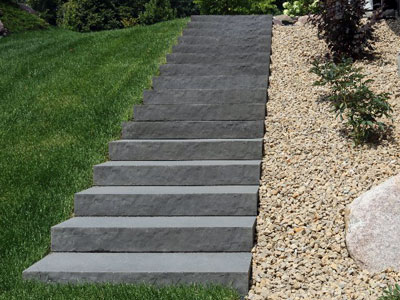
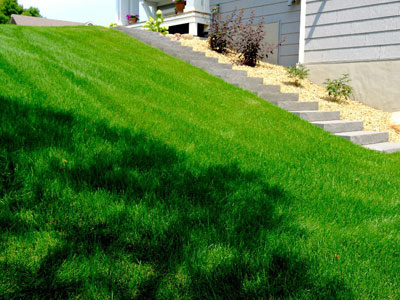
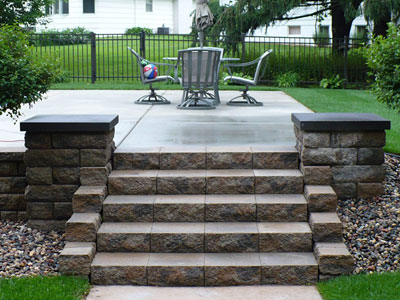
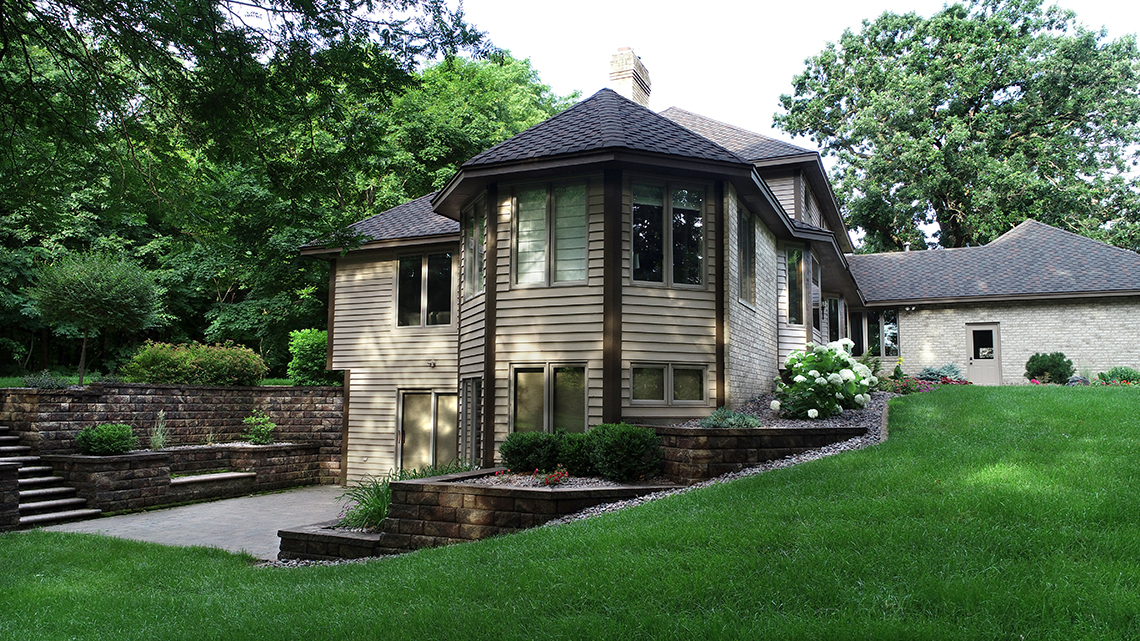
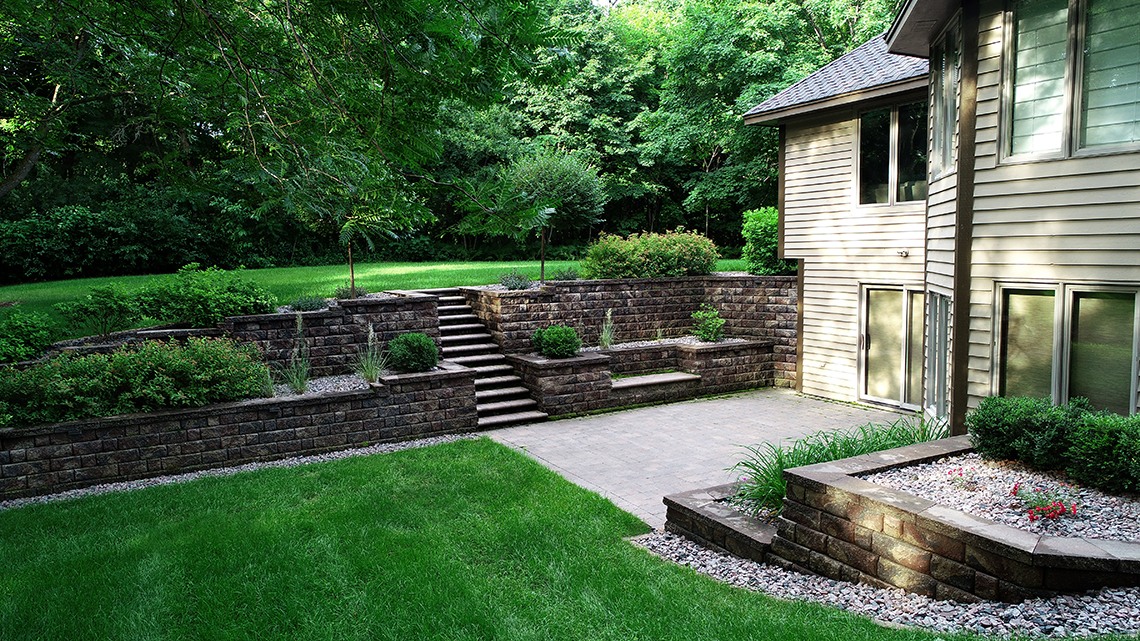
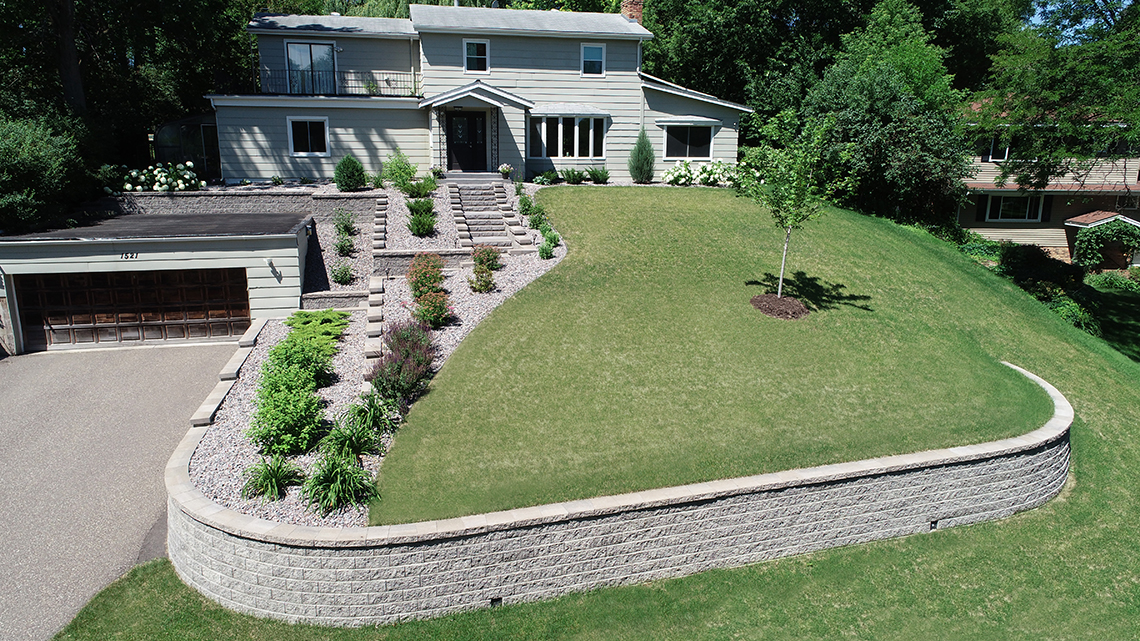
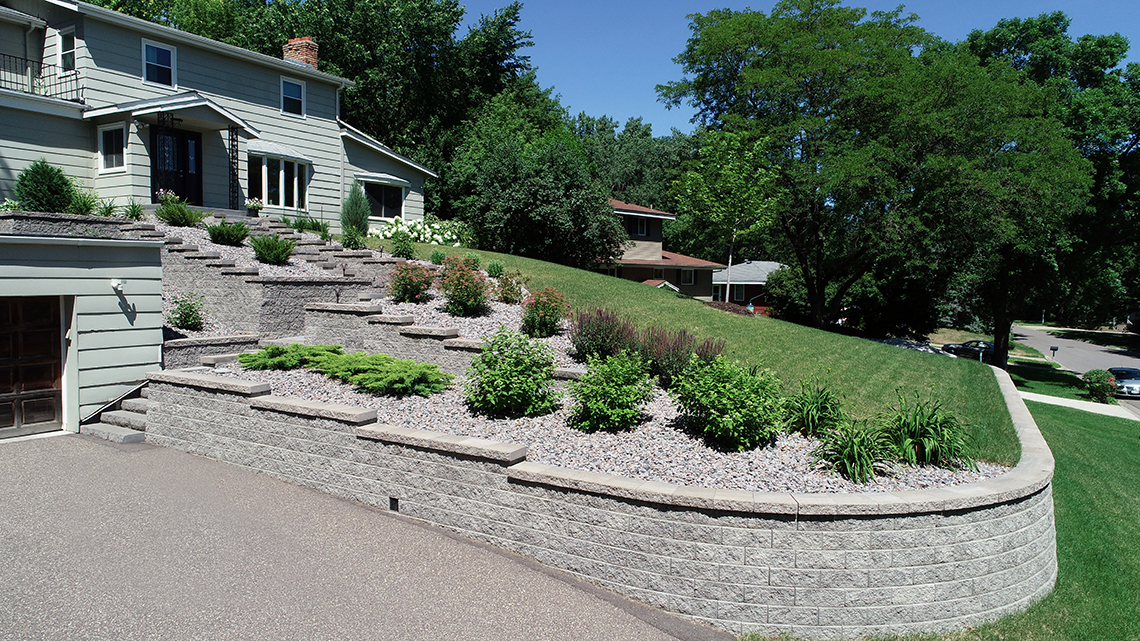
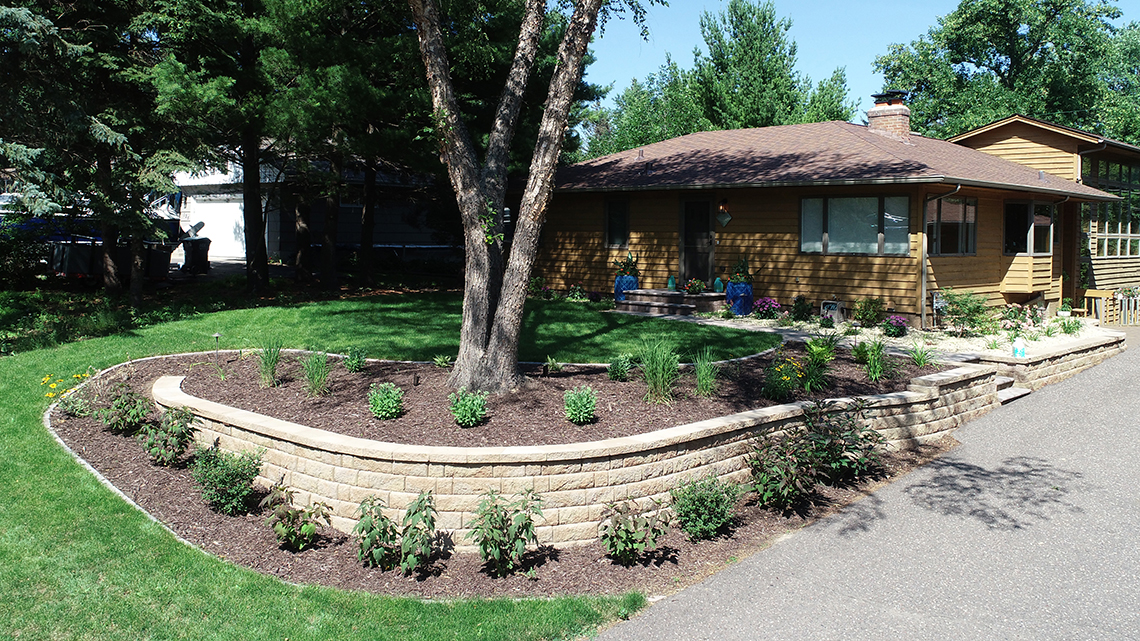
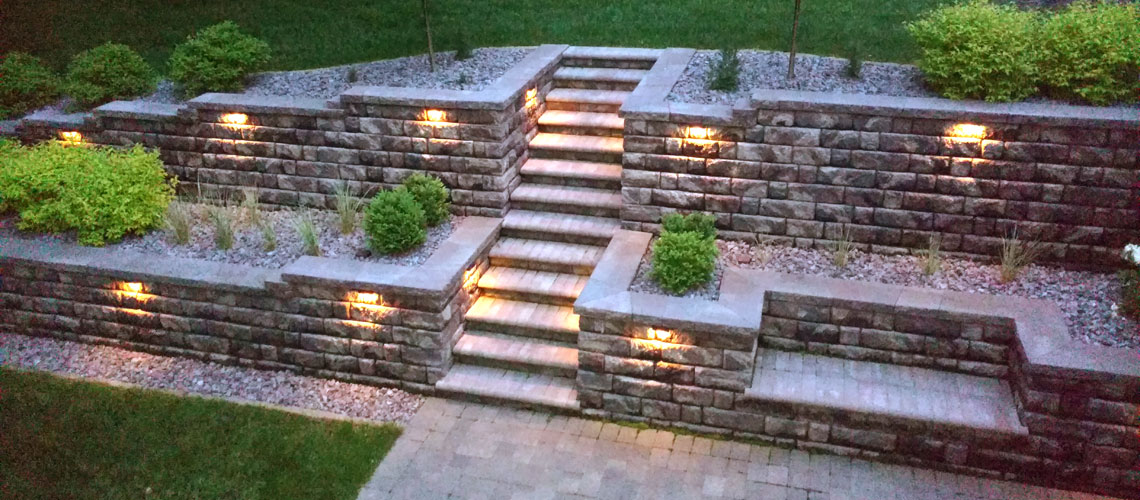
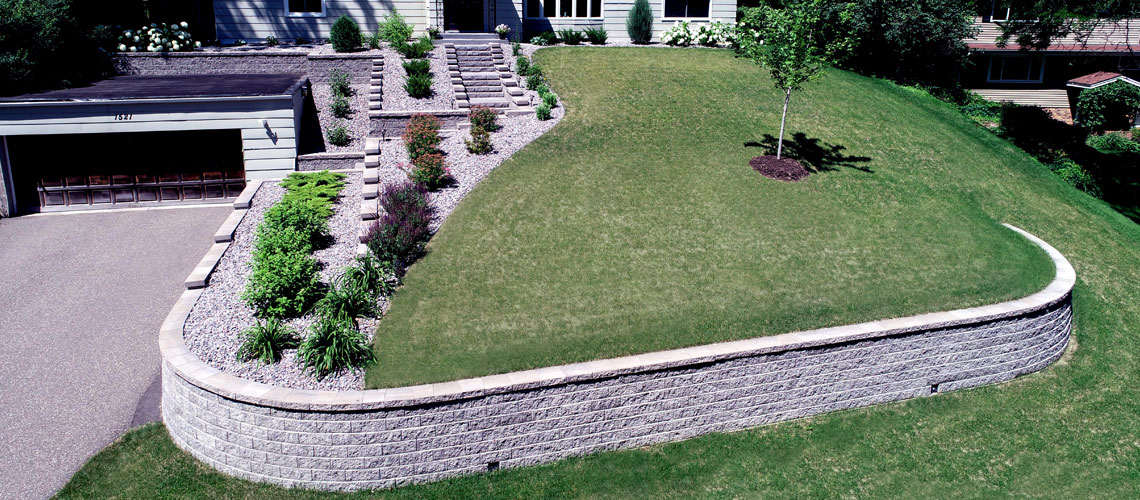
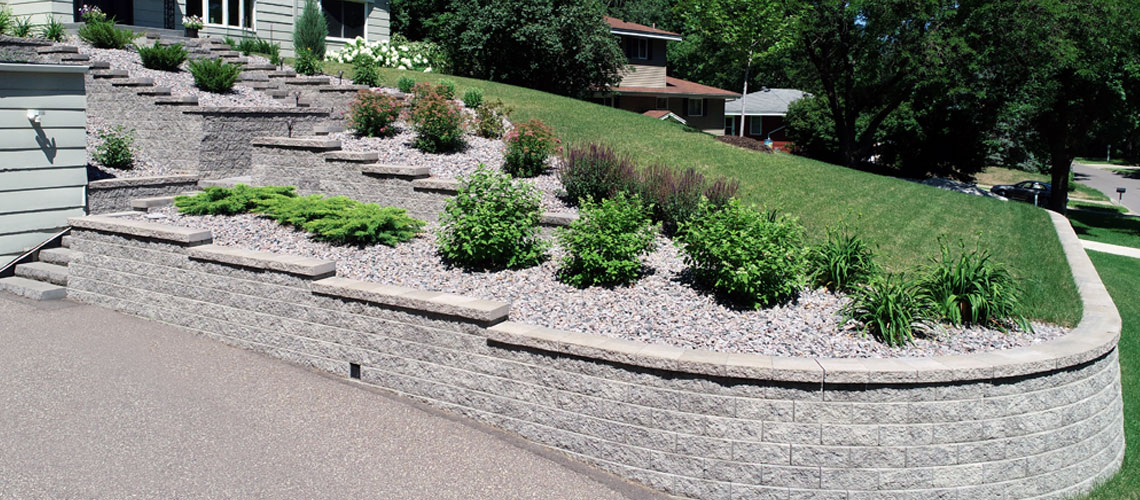
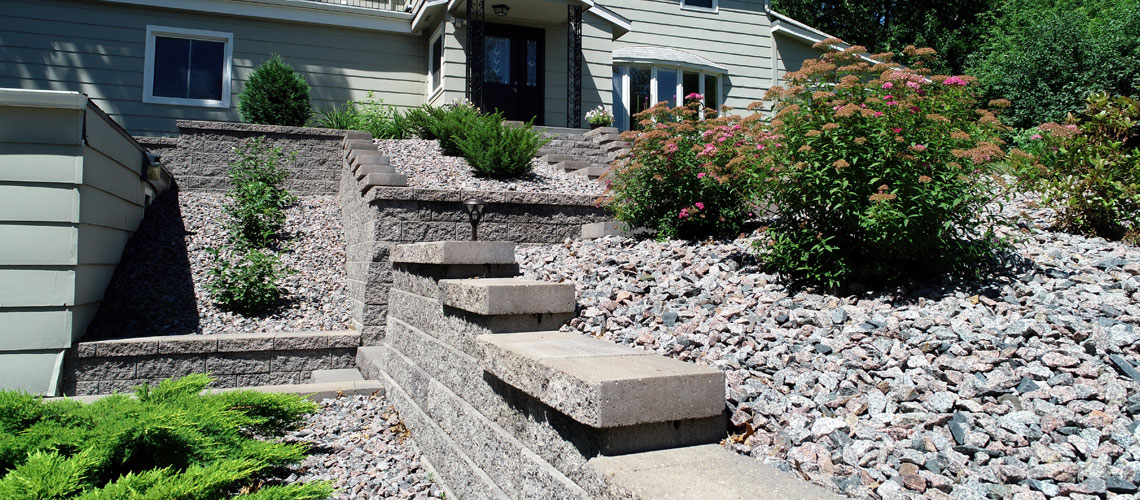
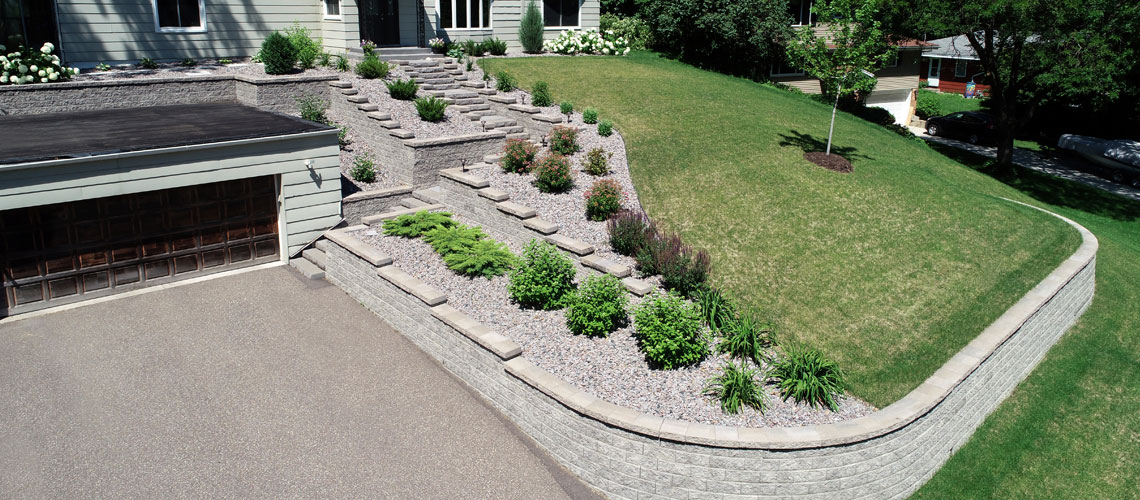
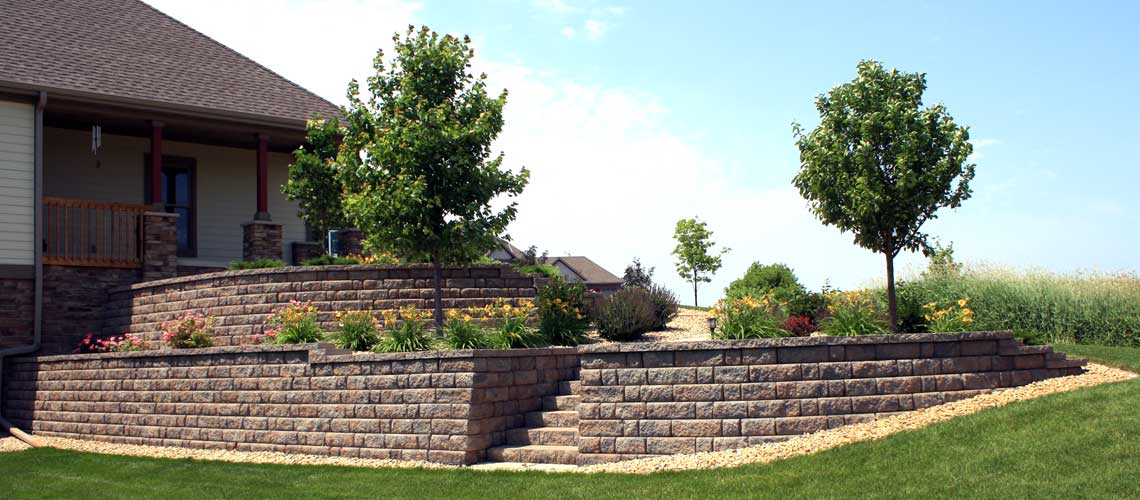
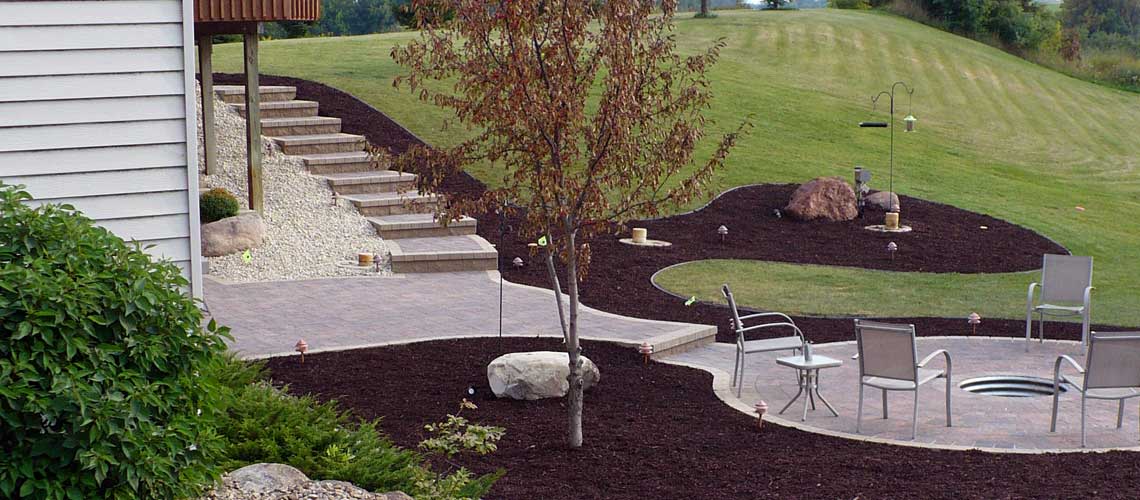
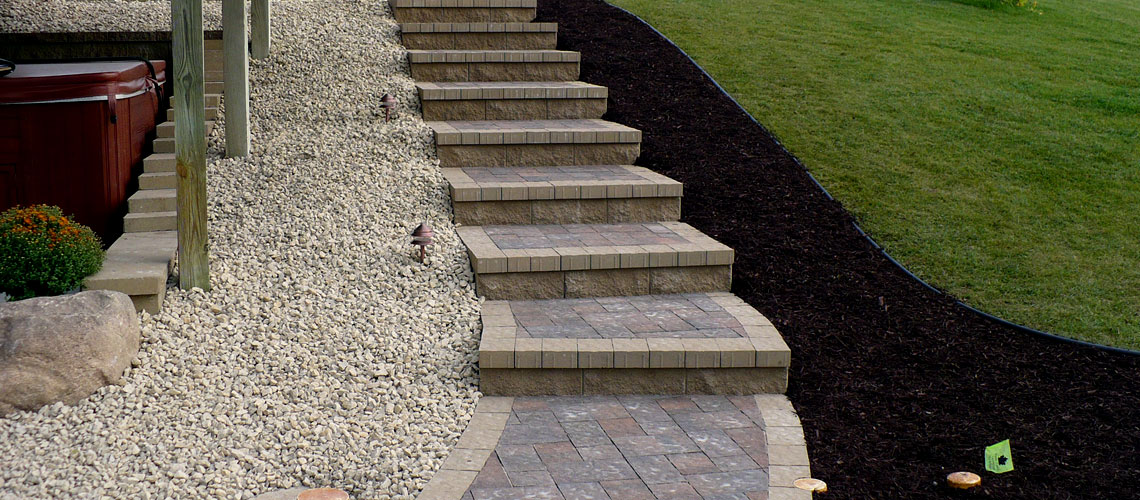
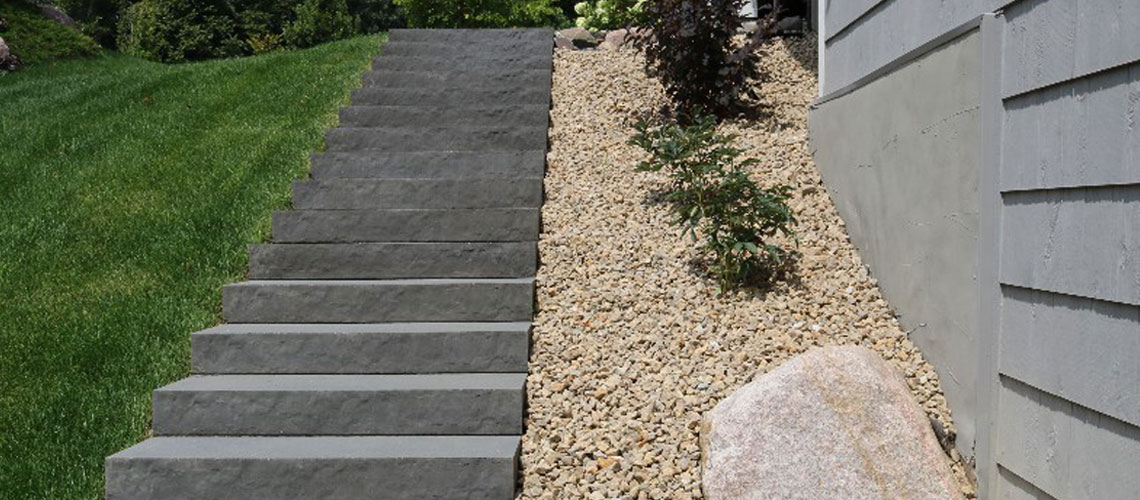
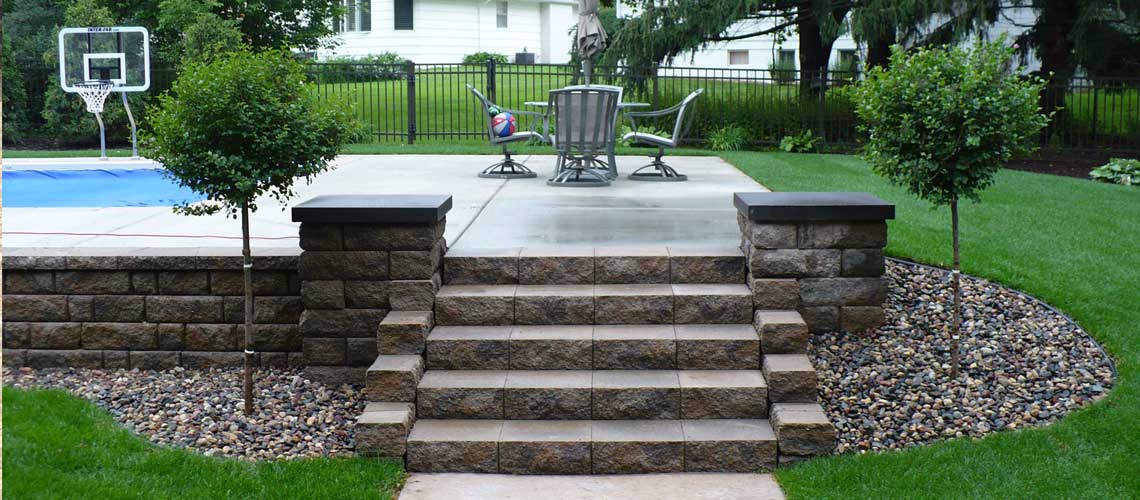
Modular Walls: A long sloping yard may look pretty, but it isn’t very practical. Maple Crest Landscape will professionally grade and install retaining walls that are both beautiful and functional, stabilizing soil, and preventing erosion while enhancing the look of your landscape. They can also be used to for privacy around patio areas. Our Design team will help you select the right color and shape for your project.
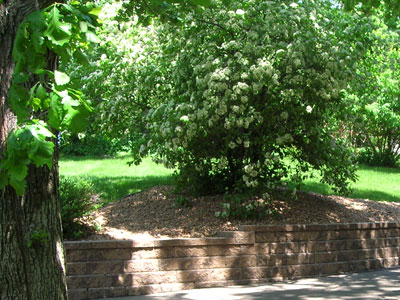
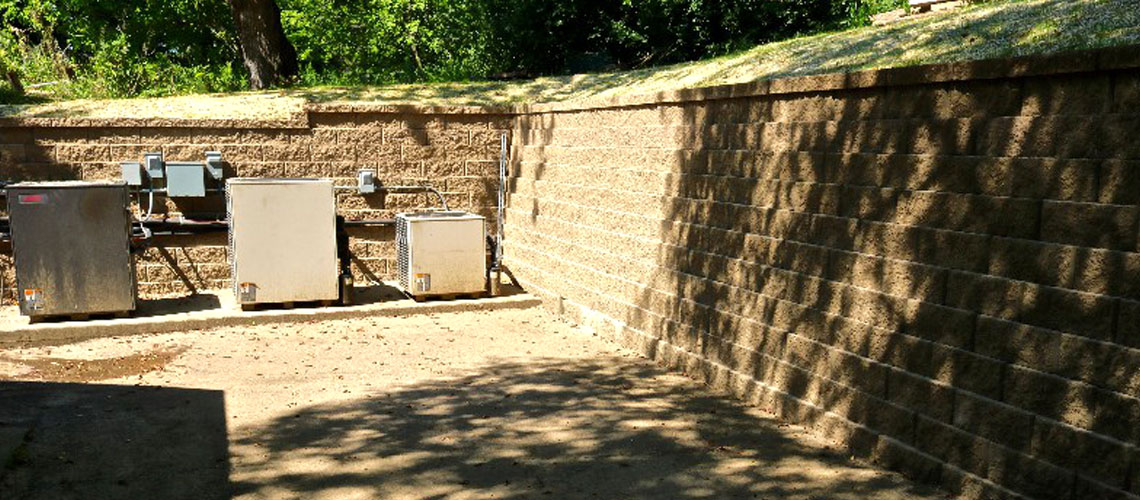
Conventional Block Walls: Manufactured concrete masonry blocks have stood the test of time as a core building material for retaining walls.
Professional landscapers know they’re solid and stable, plus they need little or no maintenance and don’t rot in areas like the Pacific Northwest, where heavy precipitation is the rule. Contractors often use conventional concrete blocks for their strength and to give permanence to landscaped areas. Pre-cast blocks are available in a variety of widths to support just any height of wall, even multi-story. To add several walls, simple blocks are still the most economical choice.
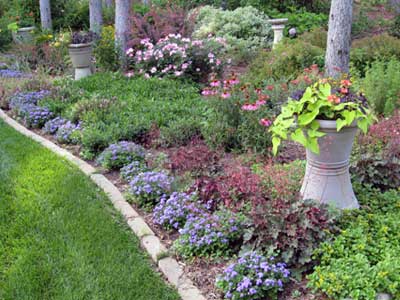
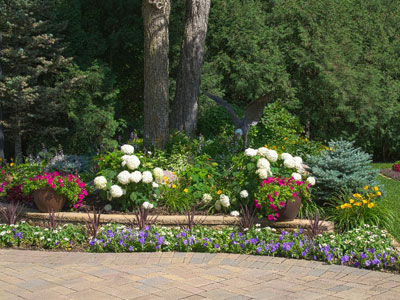
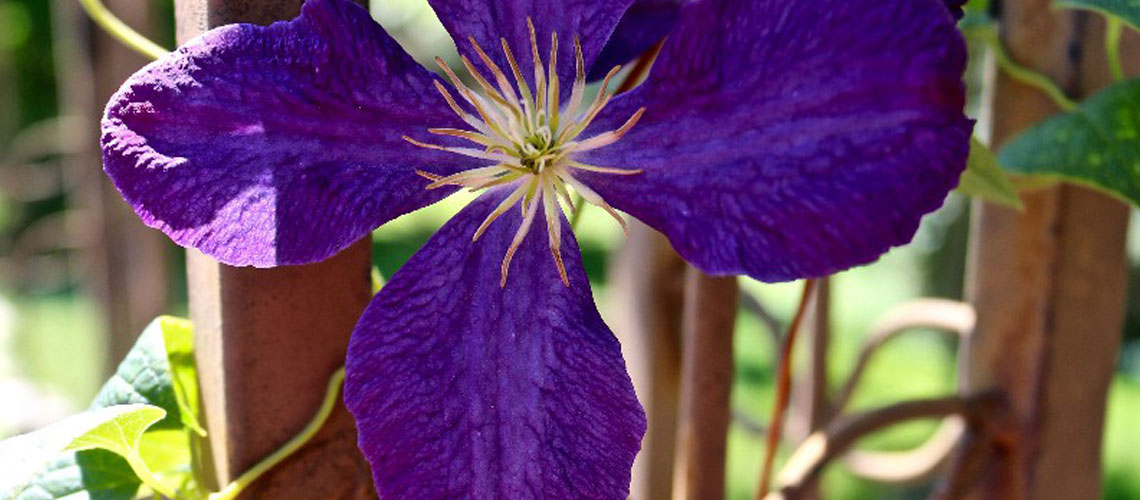
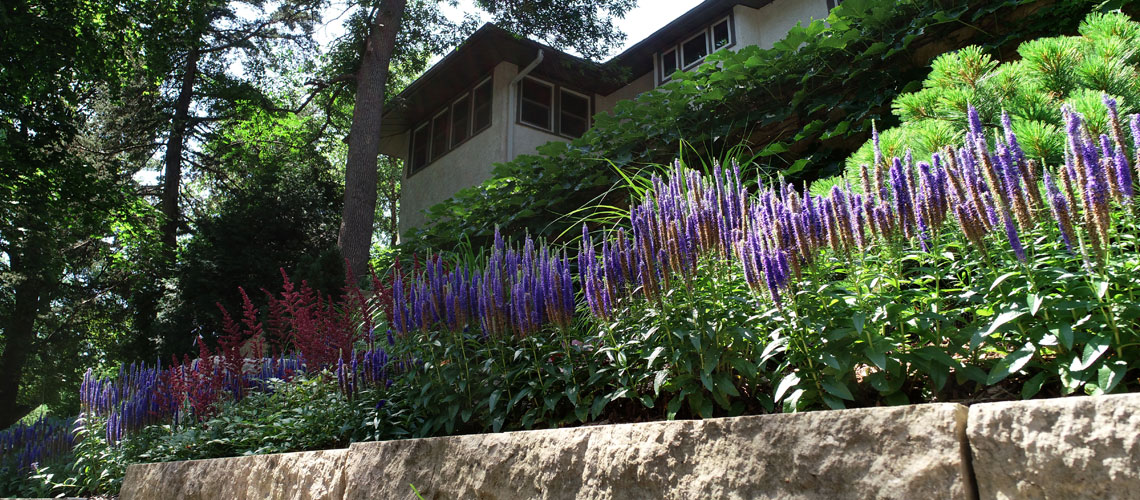
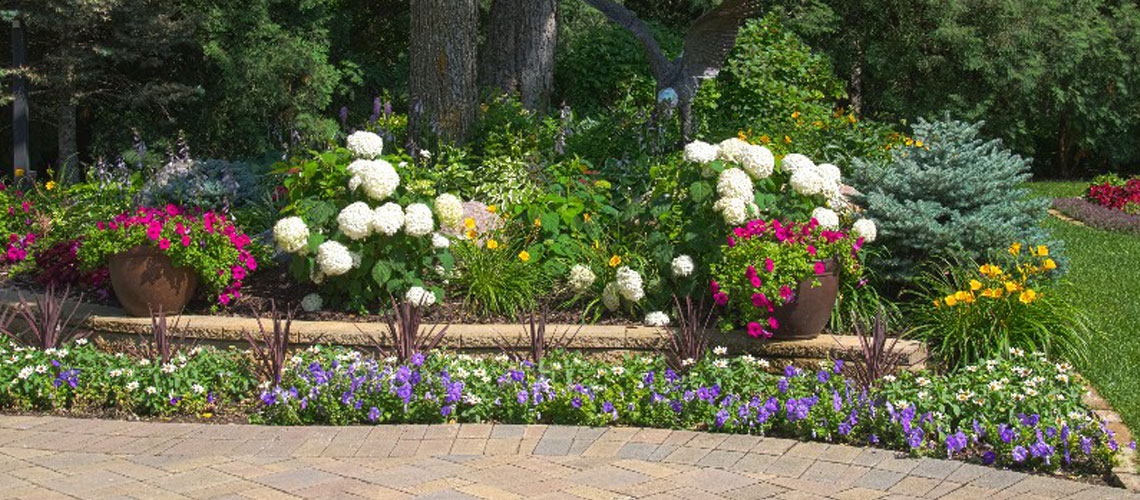
Basic walls can be hidden from view by hardy, long-blooming plants like Tussock Bellflower, (Campanula Carpatica). These thrive in zones 4-7 and trail over a garden wall, adding intense purple color to shaded garden areas. While basic blocks may be economical, architectural blocks add designer touches and colors—for just a few cents more per block. Architectural blocks are made of the same material, but feature colors and textures that look like polished granite, hand-hewn stone and adobe. They never fade because the colors are part of the block itself.
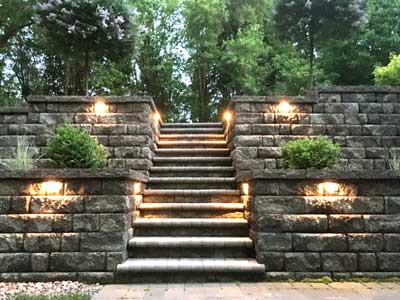
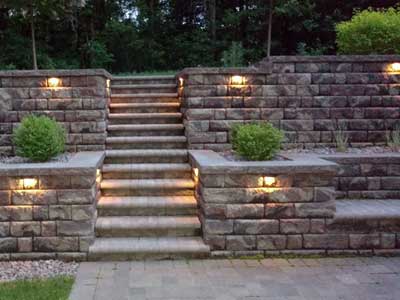
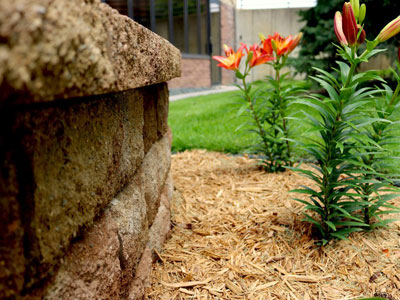
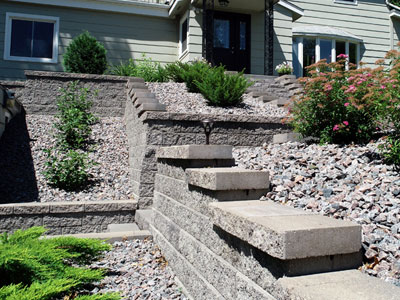
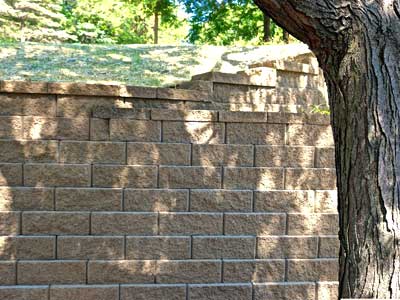
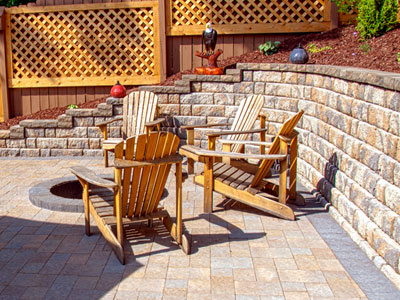
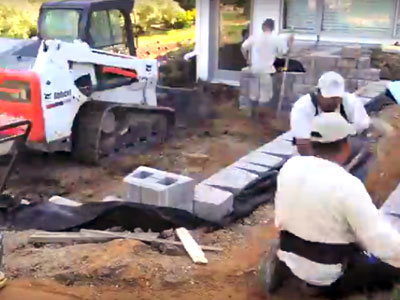
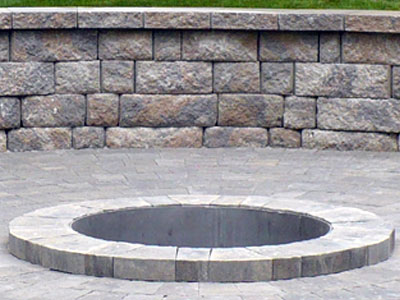
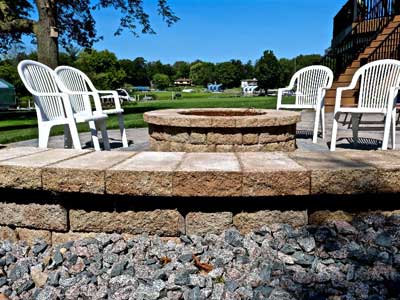
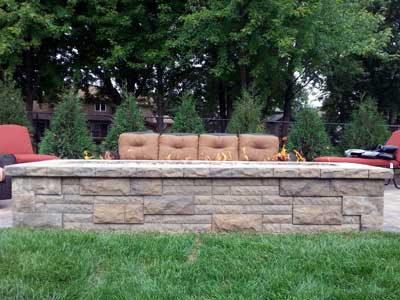
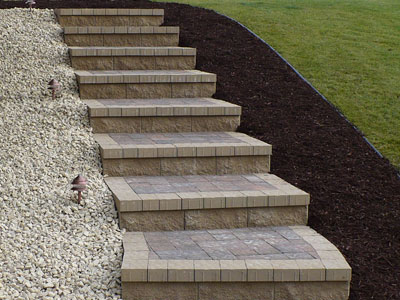
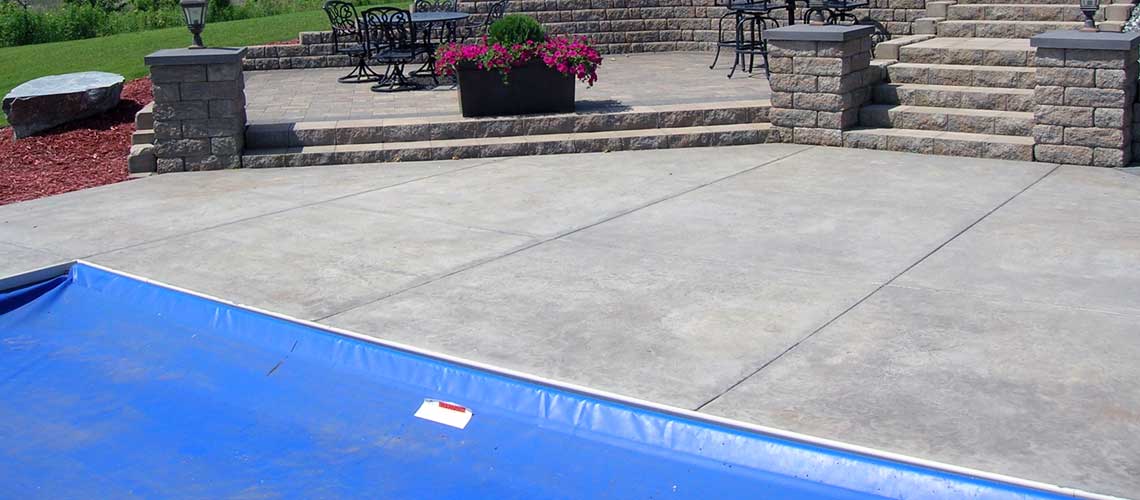
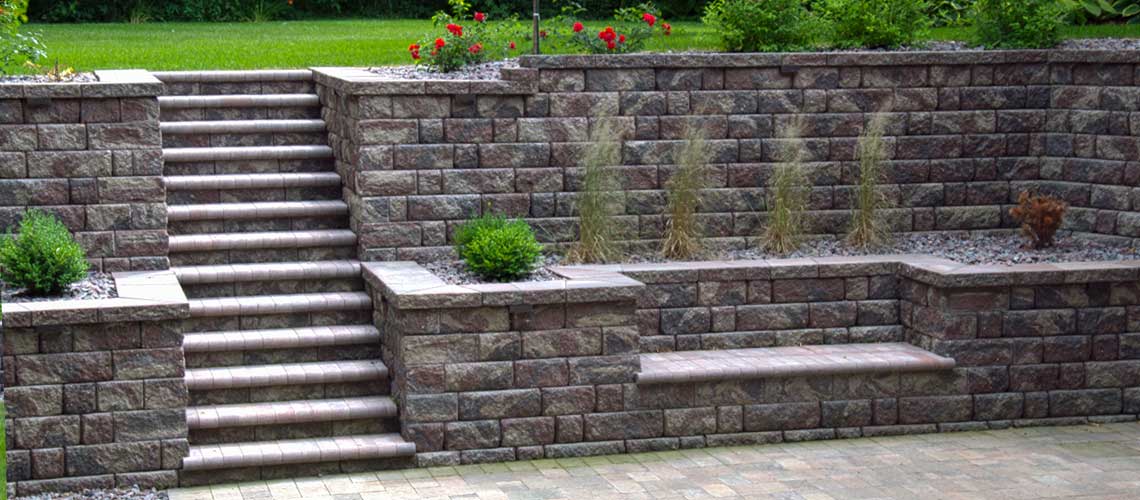
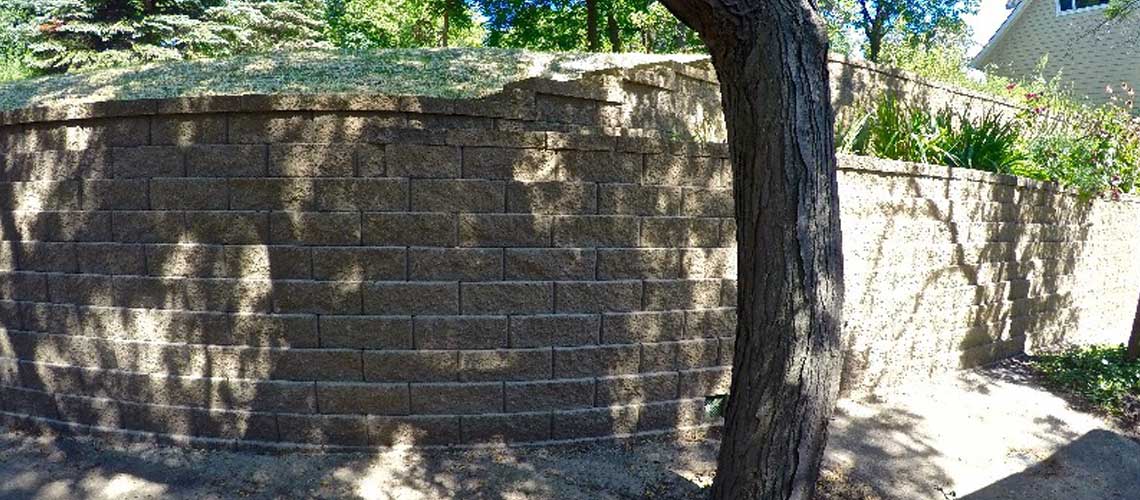
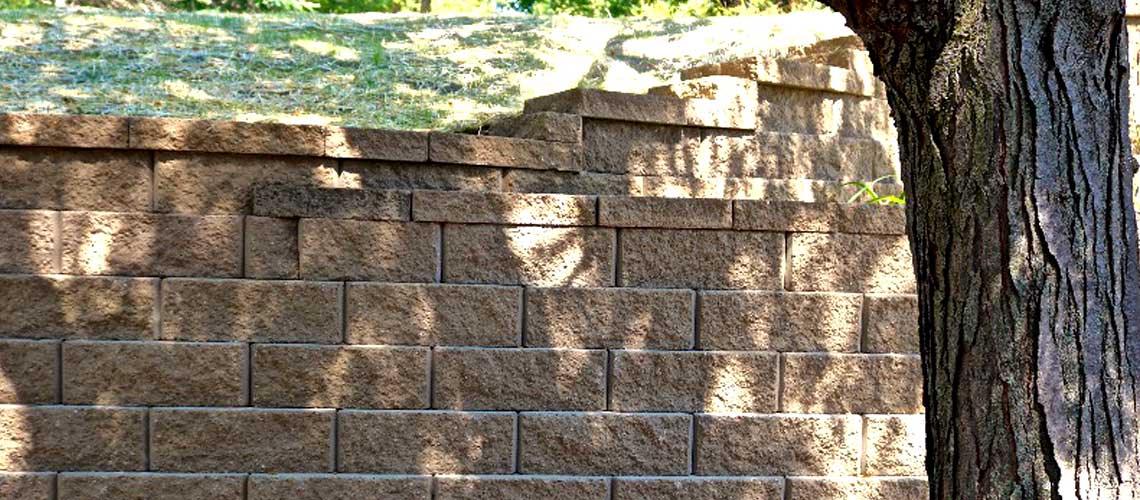
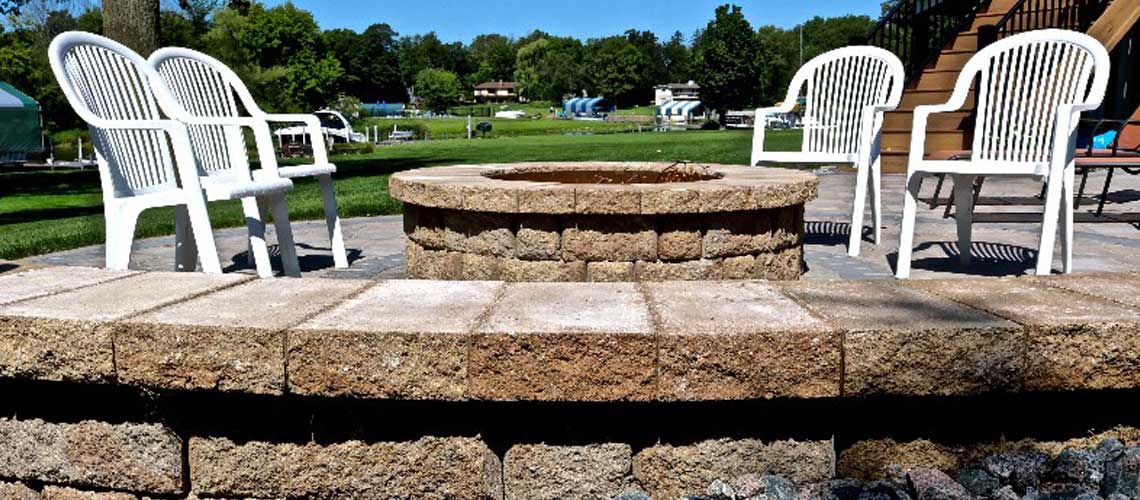
Mortarless and dry-stacked concrete: The basic building blocks in engineered retaining wall systems, mortarless and dry-stacked concrete blocks are rapidly becoming the wall system of choice among landscapers, because they simplify and speed the building process. Generally installed professionally, mortarless dry-stacked blocks are made to fit together perfectly without cement grout, using a system of horizontal and vertical interlocking tabs. Because the blocks self-align, the fit is arrow-straight and level. Dry stacked block walls can be built rapidly, usually in a quarter of the time required by conventional blocks.
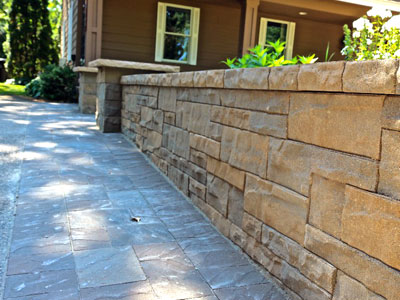
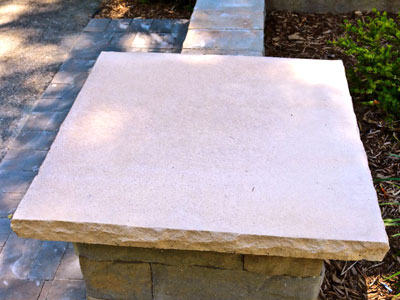
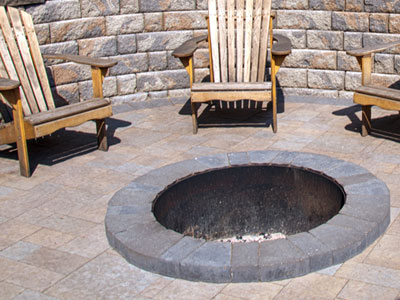
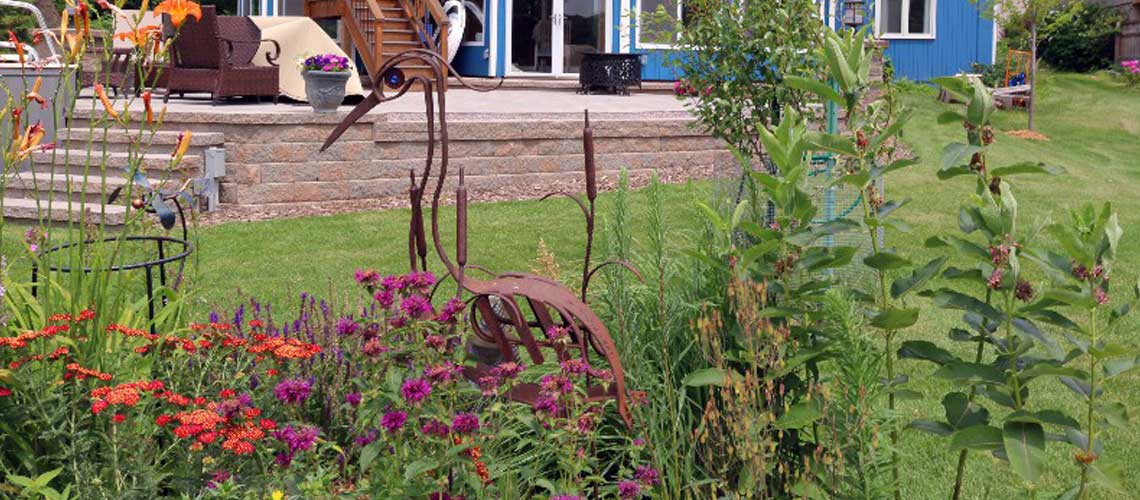
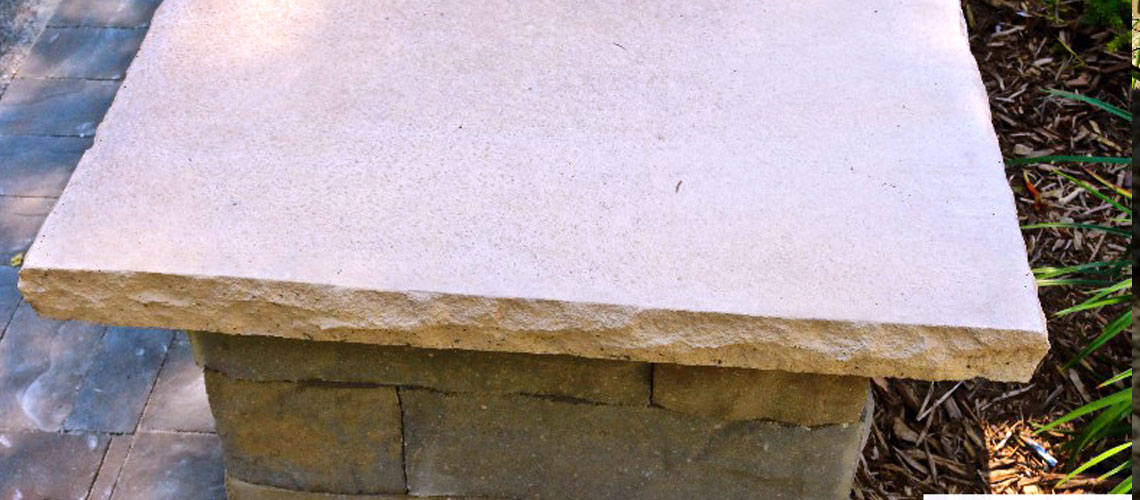
Because stackable blocks are not reinforced, however, they are best suited for walls under five feet in height. Mortarless stackables usually offer more tones and textures than conventional blocks; they’re larger, heavier and cost more, but one advantage is that they can be disassembled and moved. That’s important if you want to move a wall to install a whirlpool later, because it saves you from having to bring in a demolition team. Mortarless blocks were designed to simulate hard-to-align natural stones, allowing landscapers to offer more design options. Their modular construction includes separate curved shapes, capstones, pavers, corners and trim embellishments.
Old World Landscape Walls: Mortarless stackable blocks are made to resemble classic French Bordeaux stonework or, in darker shades, lend the feel of old England. Lighter colors and smooth shapes resemble traditional Italian and Spanish architecture.
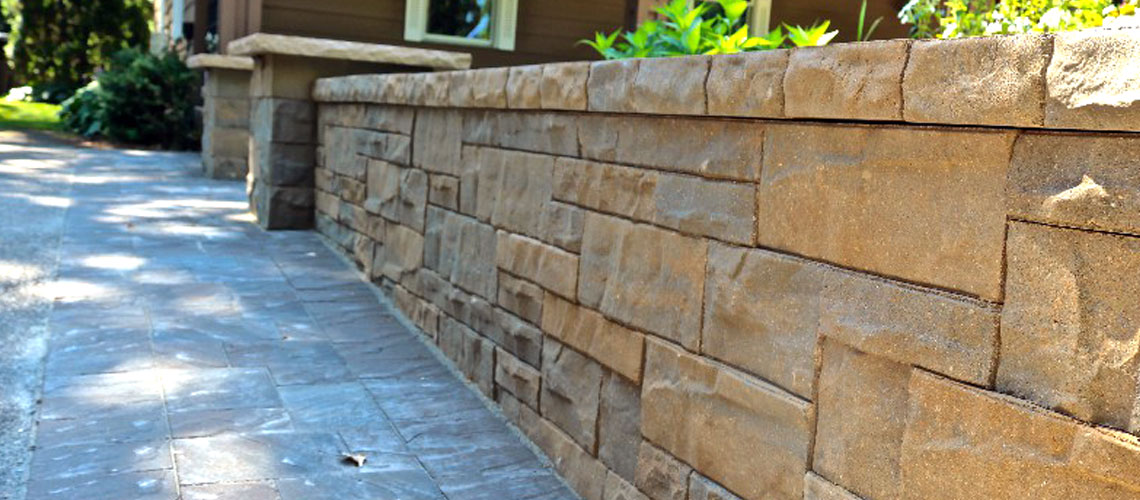
Classic Cut Stone Landscape Walls: Want New England field stone but don’t like the price or the hassle? Engineered mortarless blocks now recreate all sorts of natural stone themes. Out west, classic 1900s Arts and Crafts design themes are enjoying a revival, making hand-hewn slate styles a popular choice.
Glass Block: Want to "light up" your garden or outdoor entertainment area? Designer glass blocks in clear and opalescent colors add a rich touch and they’re readily available in stackable, no-mortar designs. Ask your landscaper how a glass block wall can bring light and sparkle to a heavily shaded garden. He or she can help you select the right mortarless glass block for your property.
Reinforced Earth Landscape Walls: Reinforced soil is a surprisingly obvious retaining wall solution. Normally, soil is considered something to be held back by a wall, when the soil itself can be part of the structure.
There are several ways to build soil-reinforced walls, and they are usually determined by soil type and height.
One common method uses alternating layers of welded wire matting with layers of compacted back-fill earth from the landscaping site. Together, they provide the mass and strength to support the hillside behind the wall. Block facades or concrete crib facing supplies the aesthetic appeal; furthermore, landscape plantings can be used as a part of the wall itself.
Other methods include concrete crib walls, made of a latticework of concrete elements, freestanding rock where slopes are gentle, and reinforced soil used in combination with other design elements, such as mortarless blocks. Used in combination, they are able to achieve greater heights than a single system would allow.
Poured Concrete Landscape Walls: Poured concrete retaining walls work well where heavy or unstable soil and steep slopes make other walls inadvisable. Concrete walls typically feature a tall wall on a horizontal foundation, resembling an upside-down letter "T". Stability is one reason why poured concrete walls work where other types will not. Worried about that "parking garage" look? Not anymore. Modern concrete can be colored, molded, even polished to resemble just about any designer material.Architectural concrete façade elements can cover a bare wall, and landscape designers these days are moving more toward new concrete finishing techniques that mimic natural stone, brick veneer, wood and even highly polished stone. Ornaments, cornices, column bases and all sorts of other items can be added to your retaining wall design. Your landscape design expert will be happy to provide samples, catalogue photos and websites with the latest designs.
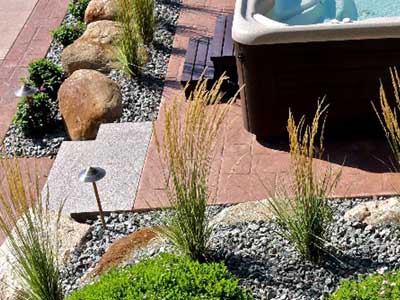
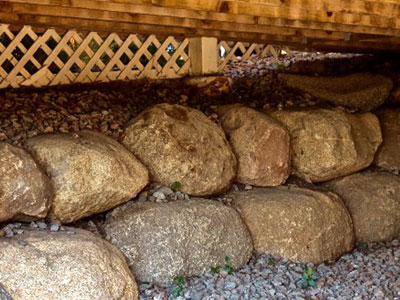
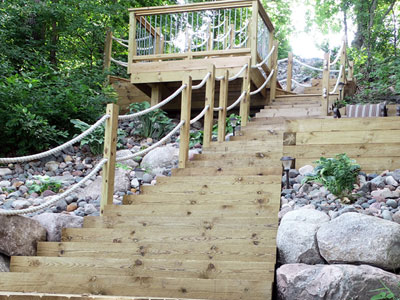
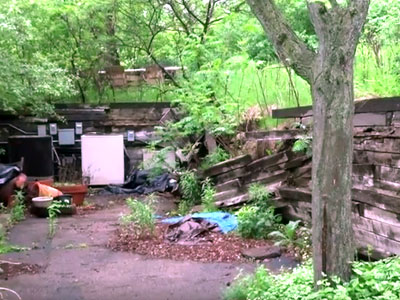
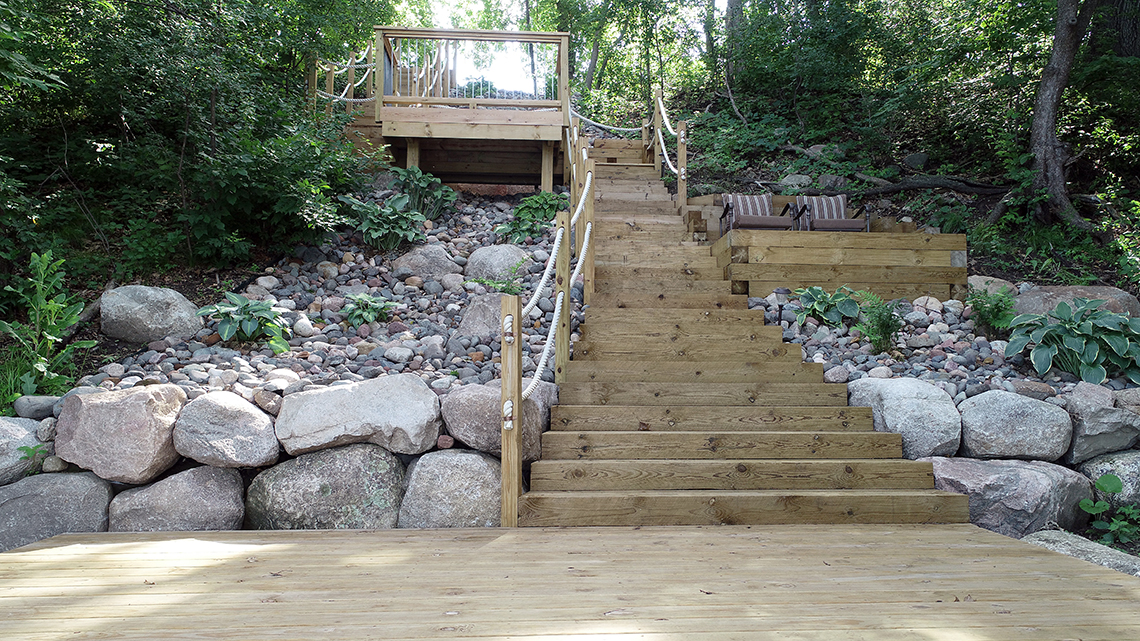
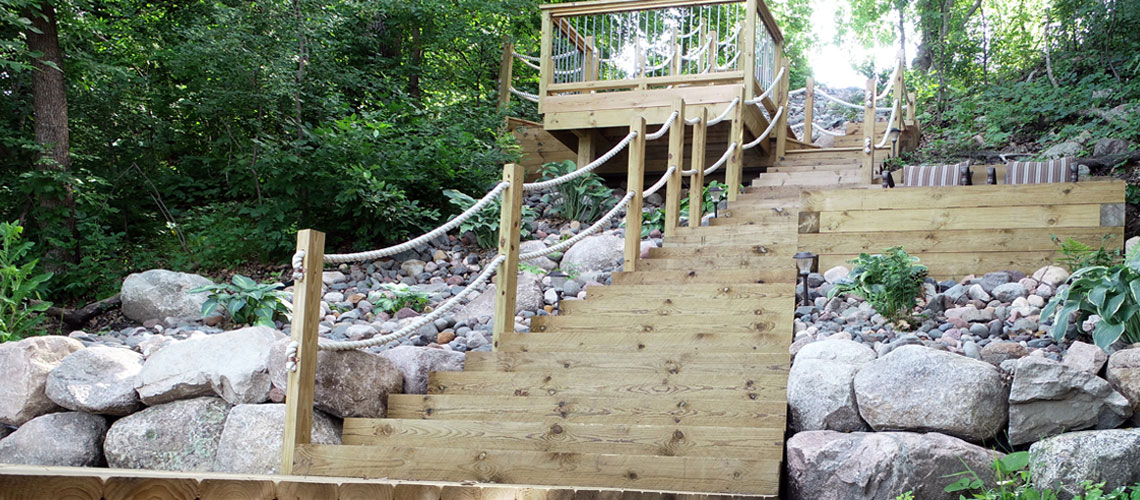
Wooden Retaining Landscape Walls: One of the beauties of wood is that it is easy to use. Wood retaining walls lend a warm organic look to your landscape design, at a relatively low cost.
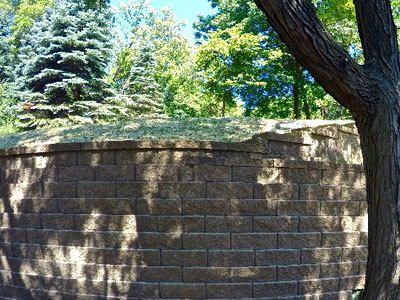
There are three basic types of lumber used for walls, but to understand them, one must first consider that wood is an organic material subject to moisture, rot and termite attack where the wood comes into contact with soil that is naturally damp and a source of bacteria. This means that plain lumber is not a good choice, unless a wall is to be temporary.
Your best bet will be one of three materials, redwood, pressure treated fir, and used rail ties.
Redwood has excellent rot and insect resistance, which explains why redwood trees live thousands of years. You benefit by redwood’s long life. A downside is that redwood is a soft, low-density material, so thicker lumber must be used to ensure a wall is strong enough to do the job. Rough redwood or construction grade heartwood lumber are the preferred choices for wall construction. Well-built, properly draining redwood retaining walls can last 20 years or more.
Pressure-treated lumber also is excellent for retaining wall construction because of its strength and hardness. Mills start with a hard, strong construction grade wood like Douglas fir, and then preservative chemicals are injected under pressure to limit the effects of insect and rot damage. Copper and arsenic compounds have been used in the past, but the Environmental Protection Agency recently banned them. A new chemical compound, known as ACQ reduces risks. The EPA says there is no need to worry about existing retaining walls, because there is no evidence that pressure treated lumber poses any significant risk.
Keep in mind that pressure treatment doesn’t extend all the way through the wood. When pressure treated boards are sawn, entry points are created for rot and insects to take hold. Pressure-treated fir walls must be properly constructed to prevent contact with soil and water. Even though pressure treated wood is slightly more expensive than redwood, walls can last longer, making these more economical to build.
Rail ties are incredibly versatile, and the fact you recycling them is a bonus. When railroads sell their old ties, disposal is an issue because they are often treated with creosote, an asphaltic product that prevents rot. Rich, dark and seasoned, you can stack them, make walkways, driveways and step-side planters, knowing these will hold up for years. Rail ties may run about the same cost as bricks or blocks, but construction labor savings will make them more economical in the long run.
Plantings can accentuate their beauty, too. Consider fall-blooming Japanese windflower (Anenome japonica, zones 4-8) as a waterfall ground cover. They will grow to a height of three feet and, once established, will spread underground by bulbs.
Partition Landscape Walls: Boulder walls look natural in any landscape for homes and businesses. Made from field stone or natural materials, these durable walls protect your soil from erosion while complimenting your landscape. The landscape of a boulder retaining wall provides natural beauty and a preserving protection against soil erosion. Boulders and large rocks are the best choice against environmental factors. Boulder walls are more economic than block retaining wall
Maple Crest Landscape at (763) 478-2752 to schedule your free consultation.